
Hiring a freelance web designer sounds like a simple task–post a job, pick someone with a cool portfolio, and boom, your design is ready. Hiring a freelance web designer is more like online dating. You struggle to understand how you evaluate the profiles, second-guess your choices as you try to find the perfect mate, and hope to get the best outcome from your search.
When hiring a freelance web designer, you’re not just looking for someone who can make a pretty website. You need a designer who understands your brand guidelines, your audience, and–most importantly–how to make sure your website doesn’t look like it was built in 2005. The right designer can turn your vision into a sleek, user-friendly masterpiece, while the wrong one can leave you with a digital disaster.
Key Considerations Before Hiring
Hiring the right freelance web designer is about finding the right person who can turn your vision into a functional, user-friendly masterpiece without disappearing into the void midway through the project. So, before you sign that contract, here are a few things to consider:
- Project Scope: Are you looking for a full website build, a redesign, or just a few tweaks? The more specific you are, the easier it’ll be to find a designer who specialises in what you need.
- Budget: Freelancers charge anything from “that’s suspiciously cheap” to “is this person designing for royalty?” Set a realistic budget that balances quality and affordability.
- Experience and Portfolio: A designer’s portfolio is their highlight reel–check if their style aligns with your vision. Bonus points if they have experience in your industry.
- Communication and Availability: Do they respond promptly? Do they use design jargon that’s difficult for non-techies to understand? Good communication is key to avoiding frustrating misunderstandings.
- Timeline: Are you on a tight deadline, or do you have some flexibility? Some designers are booked for months, while others can deliver in a week. Know your timeline before committing.
When looking for a designer, you want someone reliable, skilled, and who understands your needs. Get these factors right, and you’ll end up with a website (and a working relationship) that’s built to last.
Qualifications and Experience
Not all freelance web designers are created equal because some have formal degrees, while others are self-taught wizards who can build stunning websites in their sleep. The key is knowing what level of expertise your project actually requires. Let us examine some factors to consider to help you find the right match for your business:
- Educational Background & Certifications – While a degree in design or computer science can be reassuring, it’s not the only measure of skill. Industry certifications (e.g., Google UX Design, Adobe Certified Expert) can signal dedication and competence.
- Portfolio & Case Studies – A polished portfolio speaks louder than any diploma. Look for diverse projects that demonstrate creativity, technical proficiency, and problem-solving skills. Bonus points if they have case studies showing how their work improved a client’s business.
- Industry Experience – A designer who’s worked with businesses like yours will already understand your needs. For instance, someone with Shopify or WooCommerce experience is a smarter choice than a generalist if you’re in e-commerce.
- Technical Skills – HTML, CSS, JavaScript, UX/UI design, SEO best practices–check that their skill set aligns with your project’s demands. It’s even better if they also know WordPress, Webflow, or other relevant platforms.
- Client Testimonials & Reviews: Glowing feedback (or horror stories) from past clients can reveal a lot about their reliability, professionalism, and ability to meet deadlines.
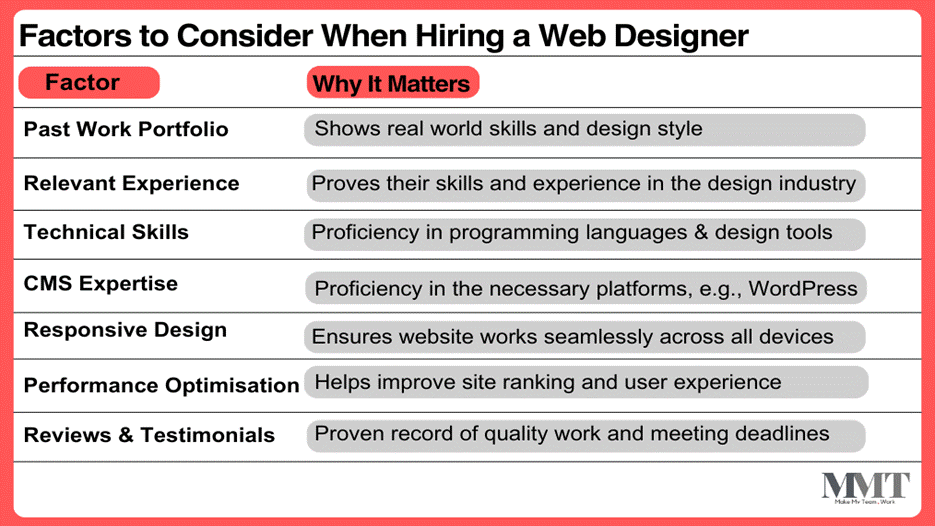
The bottom line is that a designer’s experience isn’t just about years in the industry–it’s about relevant experience. Someone with a decade of experience designing websites may not be the best fit for a SaaS startup. Therefore, make sure they have the right mix of skills for your needs.
Technical Skills to Look For in a Web Designer
A web designer without the right technical skills is like a chef who only knows how to microwave leftovers–probably not the expert you want to rely on. You need someone who can not only make your website look stunning but also ensure it functions smoothly and loads faster than your patience when dealing with slow customer service. Core technical skills to look for when hiring a web designer include:
- HTML/CSS: The building blocks of any website. Without these, they’re just moving pretty pictures around.
- JavaScript: Adds interactivity, animations, and all those cool features that make your site feel modern instead of stuck in 2008.
- UX/UI Principles: A great-looking site is useless if users can’t navigate it easily. Good UI/UX makes visitors stay. Your designer should be proficient in at least one design software, e.g., Figma, Sketch, or Adobe XD.
- CMS Knowledge: This is non-negotiable if your website is running on a platform like WordPress, Shopify, or Webflow. You need a designer who knows their way around these systems rather than one who spends half their time Googling tutorials.
- SEO Basics: A designer who understands how clean code and optimised images impact search rankings will help your site perform better in the long run.
- Performance Optimisation: Your visitors won’t stick around if your website takes forever to load. A skilled designer knows how to keep things snappy.
You wouldn’t hire a carpenter who doesn’t own a hammer, so don’t hire a web designer who lacks these core technical skills. The right mix of creativity and tech expertise will ensure your website isn’t just a pretty placeholder but a fully functional, user-friendly powerhouse.
Creativity and Aesthetic Sense
A technically skilled designer is great, but if they have the creative flair of a brick wall, your website will look like one. A good freelance web designer should have a keen eye for colour theory, typography, and layout balance, ensuring your site is not just functional but visually compelling. They should also empathise with your users and create a website that appeals to them.
A designer also needs to be aware of design trends that are currently attracting an audience to your site. They should understand how to create an engaging user experience, using design elements that draw visitors in rather than drive them away. In addition, they need to align with your brand identity and create an experience that feels polished, professional, and uniquely yours.
Communication and Collaboration
Even the most talented web designers won’t be much help if they disappear into the void after the first email. A great freelance web designer should be able to communicate ideas clearly, set realistic expectations, and provide updates without you having to send a dozen follow-ups. They should also be open to feedback–because, let’s face it, “just trust me” isn’t exactly the most reassuring response when you’re investing in your brand’s online presence. Bonus points if they collaborate well with other team members, whether it’s your developer, copywriter, or that one friend who insists on giving unsolicited design opinions.
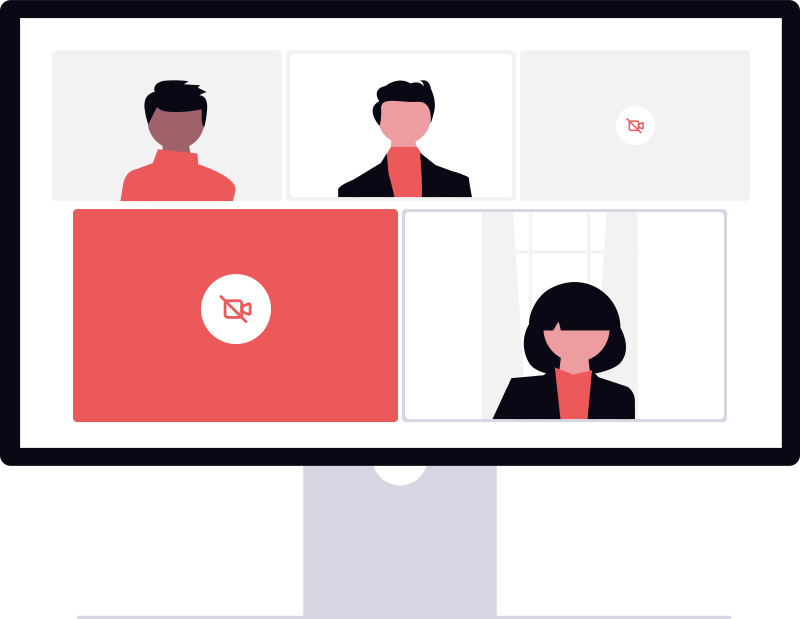
The following are some questions to ask during an interview to assess a designer’s communication skills:
- How do you handle client feedback, especially when they disagree with your design choices? This reveals their ability to take constructive criticism and collaborate rather than defend every pixel.
- Can you explain a complex design decision you made to a non-technical client? A great designer should be able to break down their thought process without drowning you in jargon.
- What’s your typical response time for emails or messages? You don’t want to be left wondering if they’ve vanished into the abyss of unread emails.
- How do you handle project delays or unexpected roadblocks? This will help you assess their problem-solving approach and ability to keep you informed rather than ghosting you when things get tough.
- Can you walk me through your process of collaborating with developers, copywriters, or marketers? This ensures they can work as part of a broader team rather than operating in a silo.

Image by Kampus Production via Pexels
A skilled designer with excellent communication can make the entire design process smoother, saving you time, headaches, and awkward “Hey, just checking in…” emails.
Process and Workflow
Let’s be honest: nobody wants a design project that turns into a never-ending loop of confusion. A great freelance web designer needs a structured process to ensure efficiency, clarity, and a smooth collaboration. Your project will be chaotic if their workflow is not organised. Here’s what to look for in their approach:
What is Their Design Process?
A solid design process should move through key phases: discovery (understanding your brand and goals), wireframing (structuring the layout), prototyping (creating interactive mockups), and final design (delivering polished visuals). It’s a red flag if they jump straight into designing without these steps.
How Do They Manage Feedback and Revisions?
Revisions are inevitable, but a professional designer will have a structured approach–clear revision rounds, documented changes, and a system for incorporating your feedback without endless back-and-forth confusion. Ask about their revision policy to avoid surprises later.
What Tools Do They Use for Project Management and Collaboration?
A well-organised designer will likely use tools that streamline the workflow, such as Trello, Asana, or Notion for project tracking, Figma or Adobe XD for design collaboration, and Slack or Zoom for communication. Prepare for potential headaches if they rely solely on email chains and scattered files.
Process matters just as much as creativity. A designer with a clear workflow ensures fewer misunderstandings and better results.
SEO and Performance Considerations
A beautiful website is great, but if no one can find it on Google or it loads at the speed of a snail, what’s the point? A skilled web designer should understand SEO basics and best practices such as mobile responsiveness, fast loading times, and proper HTML structure. They don’t need to be full-fledged SEO experts, but if they ignore these essentials, you will end up with a pretty site that nobody visits.
How to Compare and Choose the Right Designer
You wouldn’t pick a business partner just because they have a nice handshake, right? The same goes for your designer. With so many options out there, you need a method to separate the true professionals from the ones who just know their way around a drag-and-drop editor.
How to Create a Shortlist of Candidates
Scrolling through dozens of web designer portfolios can feel like falling down an internet rabbit hole—exciting at first but overwhelming fast. To stay focused, start with your must-haves. Does their portfolio align with your vision? Do their client reviews suggest reliability? Have they worked on projects similar to yours? Narrowing down your options based on these factors will save you from decision fatigue and help you focus on the best fit.
What Criteria Should You Use to Compare Them?
Once you have a shortlist, it’s time for a side-by-side comparison. Consider:
- Experience & Expertise – Have they handled similar projects before?
- Creativity & Aesthetic Sense – Do they bring fresh, unique designs?
- Technical Skills – Can they build a site that’s functional, fast, and SEO-friendly?
- Communication & Reliability – Are they responsive and easy to work with?
- Budget & Timelines – Does their pricing match your budget, and can they deliver on schedule?
A simple scoring system (e.g., rating each designer on a scale of 1 to 5 for each factor) can help you compare them objectively.
Making the Final Decision…
Now comes the hard part—choosing the one. Review all your research, compare their strengths, and trust your instincts. Consider a short paid test project to assess working dynamics if two candidates are equally strong. And if something feels off, it probably is. Your final choice should align with your business goals, budget, and timeline while ensuring a smooth collaboration.
Legal and Contractual Considerations
Protecting yourself and your project from future headaches is part of working with freelancers. A handshake and an email agreement can seem fine until you’re chasing missing files, revising endless changes, or debating who actually owns your website’s design. Before you sign on the dotted line (or click “Agree” on a contract template), here’s what you need to cover:
- Essential Components of a Contract: A solid contract is your safety net. It must clearly define the scope of work, expected deliverables, timelines, and payment terms (including deposit, milestone payments, and final balance). A well-written contract eliminates misunderstandings and ensures both parties know what’s expected.
- Intellectual Property Rights and Ownership: Who owns the final design? Without a proper agreement, a designer could retain rights to the work, meaning you technically need their permission to modify or reuse elements in the future. Ensure the contract states that upon full payment, you have full ownership of the design, source files, and any custom assets created if this is what you agree upon with the designer.
- Revisions and Extra Work-Define the Limits: Endless revision cycles can turn a project into a never-ending saga. A good contract should specify the number of included revisions and the cost of additional changes beyond that. This keeps expectations clear and prevents scope creep from derailing the project.
- Confidentiality and NDA Clause: This is important if your project involves sensitive business strategies, user data, or proprietary ideas. It ensures your designer doesn’t share, reuse, or discuss your project details elsewhere.
- Dispute Resolution and Termination Clauses: Even with the best intentions, things can go south. Your contract should outline what happens if either party wants to terminate the agreement, whether refunds apply, and how disputes will be handled (e.g., mediation before legal action).
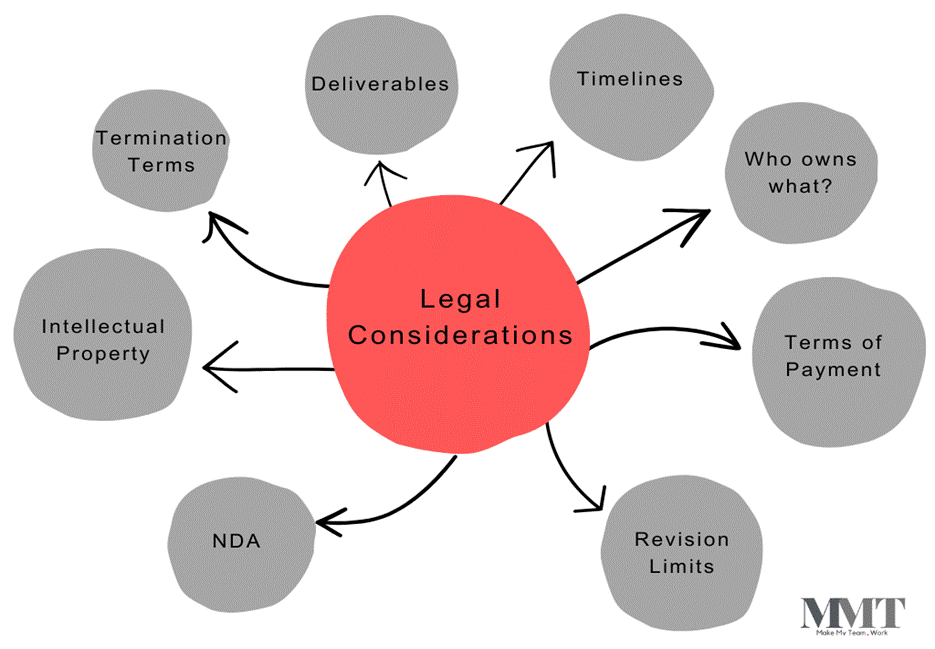
A great web designer can bring your vision to life, but a great contract ensures you actually own that vision, receive it on time, and avoid unnecessary legal drama. Think of your contract as an insurance policy–it can seem like a hassle now, but it’ll be a lifesaver if things ever go sideways.
Post-Launch Support and Maintenance
A website isn’t a “set it and forget it” deal. After launch, bugs might pop up, updates will be needed, and you may want tweaks down the line. A reliable freelance web designer should offer post-launch support–whether it’s fixing minor issues, updating plugins, or providing training so you can manage the site yourself. Be clear about what’s included in their service and whether ongoing maintenance is available (and at what cost) to avoid unpleasant surprises later.
Conclusion: The Final Click
Hiring a freelance web designer isn’t just about finding someone who can make things look good–it’s about finding the right partner to bring your vision to life without turning the process into a budget-burning, deadline-missing nightmare. A great designer doesn’t just create pretty pixels; they craft experiences, solve problems, and make sure your website doesn’t load at the speed of a dial-up connection from the 90s.
So take your time, ask the right questions, and don’t settle for someone who just “knows WordPress.” The right choice can mean the difference between a website that converts visitors into customers–and one that collects digital cobwebs. Choose wisely, and your future self (and your bank account) will thank you.








[…] about innovative solutions in product development and business growth. If you're looking to Hiring a Freelance Web Designer, MMT Work connects you with top professionals to bring your ideas to life. By james heal 1 […]
[…] Sam is a 29-year-old freelance designer who uses Notion and Figma daily, struggles with keeping client feedback organised, and wants to […]