

It is common for non-techie clients to have product ideas they need developed by experienced individuals. Non-techie clients are not conversant with the technical aspects of a project. They need to work with developers and designers to bring their product idea to life. A team will handle the technical stuff, but a client is still integral to the project.
Non-techie clients need to understand and set project goals, timelines and milestones because they are detrimental to success. Goals, timelines and milestones are significant checkpoints that mark the completion and achievement of project goals.
What are project milestones, goals and timelines?
Project milestones are specific points or phases that indicate the completion of key deliverables within your project. Project goals are the activities that need to be accomplished to complete these milestones.
A project timeline is its entire schedule from the beginning to the end. For example, your startup can set a timeline of three months to develop your Minimum Viable Product (MVP). Project goals are essential in completing project milestones. Project goals and milestones are part of the timeline. They are activities and tasks that your startup needs to achieve within a specified time achieve within a specified time.
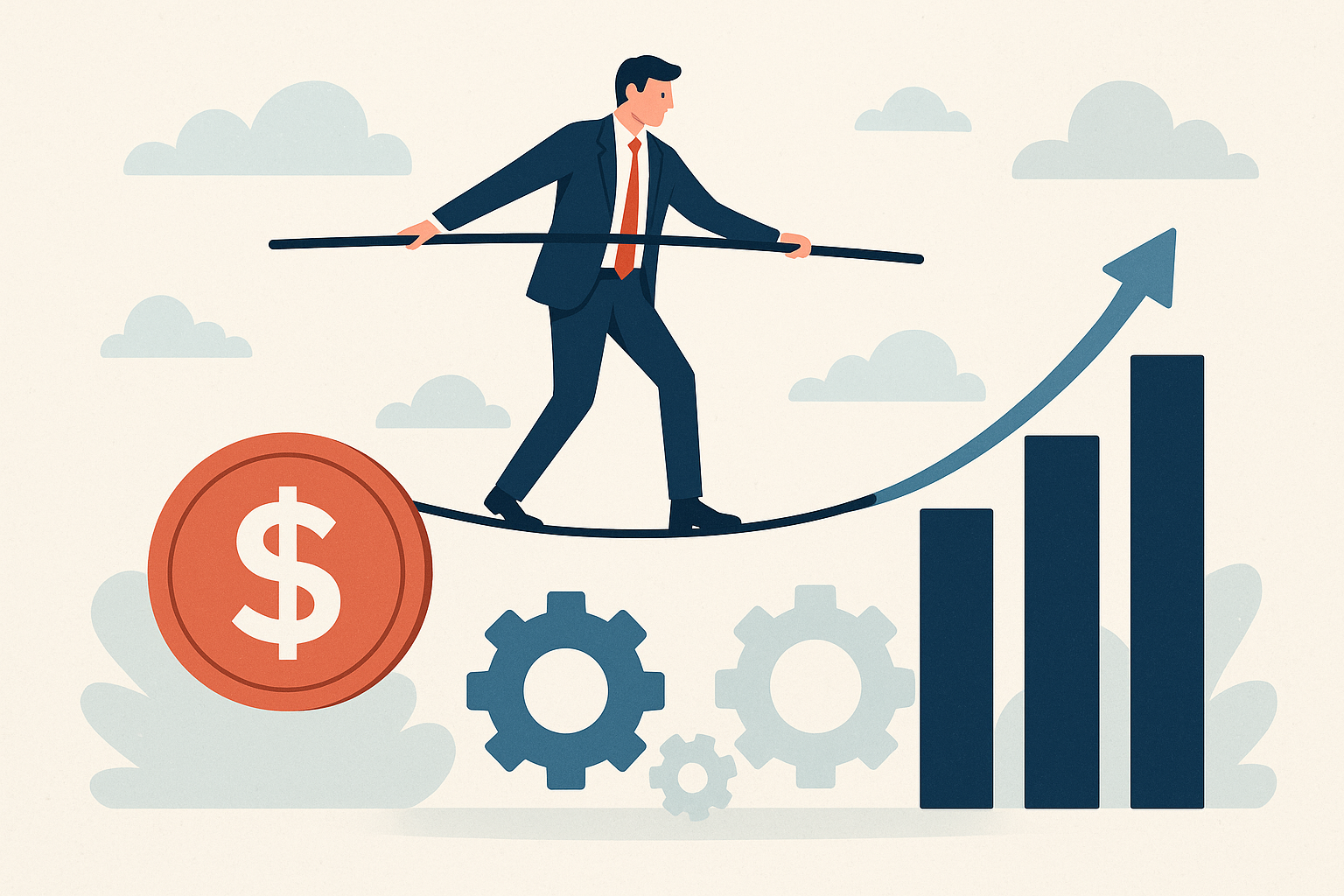
Figure: Representation of project milestones, goals and timelines
Why is setting milestones, goals, and timelines important for a project?
Milestones are checkpoints that determine the progress of your project. It is essential to set project milestones, goals and timelines due to various reasons:
- Project milestones, goals, and timelines provide a clear roadmap for your project. They give your team a clear understanding of what needs to be done to make the project successful.
- They enable you to track the progress of your project. It is easier to see and understand where your project starts when you have milestones, goals, and timelines. For example, failing to achieve a certain milestone within a specified period can indicate a bit of slacking off from your team unless the project has undergone an unavoidable challenge.
- They ensure that your team maintains its focus. Once team members have a clear picture of what needs to be done and by when it is easier for them to stay on track.
How can non-techie clients create and set milestones, goals and timelines in project management?
Antoine de Saint-Exupéry once said, “A goal without a plan is just a wish.” The quote is quite applicable when it comes to non-techie clients creating project milestones, goals and timelines. A significant number of clients lack knowledge of the technical aspects of their projects, which leads to the creation of unrealistic milestones, goals, and timelines.
Non-techie clients need to work with people who understand different aspects of the project to get a realistic overview of what needs to be done. Qualified individuals can help create a feasible project plan. They can work together with the founders and the rest of the team to build a proper roadmap for their project. The failure to do this can lead to a lot of discordance on the project, negatively influencing its success.

Image by Fauxels via Pexels
How to set clear goals for projects?
Project goals are core aspects of the success of your project. They are specific, realistic, and measurable outcomes whose achievement spearheads the success of a project. We often talk about setting goals in our day-to-day lives. It seems easy to set goals, but in startups, it is essential to ensure they are well thought-out. Every goal should be specific and easy to understand.
They should also be realistic and align with your business objectives. An example of an unrealistic goal is having a fully developed product within a month of launching your MVP. It is difficult for your team to achieve this because they will need to make changes depending on how customers respond. Learning customer patterns and preferences can take months.
How do you establish the timeline for a project?
A project timeline is important because it gives your team a clear picture of what needs to be done and when. Here is a step-by-step guide on how you can create realistic timelines:
- Have a clear vision of your project’s scope, goals, and objectives.
- Break down these goals and objectives into phases.
- Break down the deliverables of these phases; what needs to be done for this phase to be complete?
- Identify the time taken to complete each phase.
- Leave room for adjustment. Everything will not go as planned because some phases can encounter challenges.
- Create space for iterations based on project feedback.
Establishing a clear timeline is essential in project management. A well-structured timeline also helps manage resources, follow the flow of work, and guarantee that things are executed in a timely manner.

Image by Startup Stock Photos via Pixabay
Today, we have many tools and software to help you create your project timeline. Examples include:
- Jira facilitates MVPs in agile, incorporates scrum, and allows bug tracking. It is essential in software development teams.
- Asana facilitates team management and allows you to set deadlines.
- Basecamp allows you to create a to-do list for your team. It follows up on these tasks if they go past their due dates.
- Wrike allows the creation of team workflows.
A timeline helps you build a clear roadmap for your project. It is easier to create a project timeline today due to the availability of different tools such as Jira, Asana, Basecamp and Wrike.
How to calculate project timeline?
The amount of work for each project you undertake will differ. There is no one-size-fits-all way to calculate your project timeline. It is essential to have a full scope and roadmap of your project to calculate its timeline. You need to consider the time your software development team takes, iterations, setbacks, and any changes based on feedback.
To estimate the plan, set up a work estimation session. Before the session starts, assign the task to specific team members and then estimate the time in hours for each task. At the same time, make the team understand that we have to have a hustling mindset and we have to move fast in achieving our goals.
What 4 items make up a project timeline?
Establishing the components of a project timeline helps determine goals, objectives, tasks and deliverables related to it. The four items that make up a project timeline include:
- Project Scope: This includes what your entire project is about. The project scope grants a clear picture of which tasks should be undertaken.
- Dependencies: A project timeline should indicate how tasks link to one another. It gives a clearer picture of how tasks and milestones will flow.
- Project tasks and deliverables: These are the actions that need to be undertaken to accomplish the project. Each project has specific goals and objectives. You need to undertake certain tasks to achieve these goals and objectives.
- Project Milestones: Milestones are a bigger part of goals and objectives. One project milestone can contain various tasks that need to be accomplished. You will also need to accomplish these milestones within a specific duration.
You should have basic knowledge on the aspects that make up your project. Components can differ depending on the unique needs of your project.
What are the three types of project timelines?
You can encompass your project into the following types of timelines:
- Gantt charts: This is a type of bar chart that focuses on scheduling. Every task is included in bars that stretch over the calendar. The tasks are placed on the calendar date they are due. The bar can also include information on task priorities and the number of people required to achieve them.
- PERT charts: They differ from Gantt charts because they focus more on timeline estimates. Representation primarily uses circles and rectangles, which represent project milestones. Each milestone also encompasses the tasks to be undertaken and the estimated time it will take to accomplish them.
- Chronological timelines: They take the form of a visual representation of your project’s life cycle. They include information about each task, the duration of time taken to accomplish them, and the due date.
Project timelines are efficient in managing your project’s schedule from the beginning to the end.
Figure: Project Timelines
How do you set and achieve project milestones?
Project milestones represent a significant moment of achievement. Setting milestones is essential because it shows the progress of your project. You can set and achieve project milestones in the following ways:
- Have a clear understanding of the scope of your project, its goals, objectives and what it aims to achieve.
- Divide your project into different phases. The completion of each phase marks an achievement of a milestone.
- Identify the project’s key deliverables. They are critical tasks whose achievement indicates a positive shift in your project’s direction.
- Build a clear project plan that aligns with the goals, objectives and integrates the key deliverables. You can use project management software to build the plan. You should also set timelines for each deliverable.
- Communicate with your team. Everyone should be aware of what the project entails, tasks and due dates. You should have regular check-ins with your team to monitor the progress of your project.
Setting milestones requires a critical evaluation of the scope of the project. You need a strategic approach that incorporates achievable goals and relevant tasks to set milestones relevant to your project.
How to choose project milestones?
Choosing project milestones requires an efficient strategy. You need to identify which tasks are intertwined and group them in the same category. You can then group interconnected tasks under the same milestone. You should also identify which tasks should be prioritized and which take precedence over others. Strategic planning is an essential aspect of choosing project milestones.
How will you ensure that project milestones are met on time?
You should share milestones with your team at the commencement of the project. This gives them perspective on what is needed from them. It also prepares them psychologically for what they will need to do to meet the project’s deliverables. You should also utilize project management software and tools to ensure milestones are met on time.
Jira, Wrike, Asana, and Basecamp are examples of project management tools. They help you lay out your project and every detail related to it. You can also set due dates for every task or milestone. These tools will also notify your team of any upcoming deadlines and help you keep track of their progress.
Communication strategies
Best practices for communicating with tech teams and stakeholders
Some communication strategies to integrate when communicating with your team and stakeholders include:
- Communicate your project goals and objectives to your tech team clearly before starting the project.
- Facilitate a collaborative environment where your team can work harmoniously.
- Ensure your team and stakeholders are up-to-date with the project’s progress. Project and product managers should share updates on the progress weekly. Alternatively, you can configure your project management tool to provide these weekly updates.
- Facilitate an environment that allows your team and stakeholders to share their ideas and concerns.
Communication is an essential aspect of the success of any project because it ensures transparency and enhances efficient delivery.

Image by Tima Miroshnichenko via Pexels
What are the methods for tracking milestones, goals, and timelines?
The following are methods to track your project’s milestones, goals, and timelines;
- Use project development software that keeps you updated on the progress of your team.
- Have regular meetings with your team to review the progress of your team. Meetings also help you identify any challenges your team has encountered that call for a need to adjust timelines.
- You will most likely need to make adjustments during your projects. You should re-strategize based on goal and milestone outcomes within your project.
Development software and regular team meetings help keep track of your project goals, milestones and timelines.
Case Study
Melody McCloskey is an example of a non-techie founder of a successful company, StyleSeat. It is an appointment management system that allows stylists to list their services and clients to book sessions with them. It was founded in 2011 after McCloskey identified a gap in connecting to hair stylists.
It was founded in 2011 after McCloskey identified a gap in connecting to hair stylists. She only had the idea but had no background in tech. She started by outlining what she needed her product idea to entail. She then broke down her to-do list into phases.
Her list was broken down into things she could achieve. Eventually, she presented the idea to some stylists who were willing to help her launch the project. This case shows the importance of having project goals and milestones. McCloskey was initially working alone and broke down her tasks into attainable goals until she presented the idea to people who were willing to curtail into something usable.
Ready to turn your software ideas into reality? Let us help you set clear goals, timelines, and milestones with a team of experts. Contact us today and start building your project with confidence!
What are the 7 steps to successful project Management?
Here are some steps you can take to ensure successful project management:
Having a clear scope of the project.
Setting project goals and objectives.
Breaking down goals and objectives into phases and having an identifiable milestone for each.
Establish your project timeline.
Ensure clear communication and collaborative practices within your team; utilize project management tools and software.
Leave room for adjustments.
Have clear success metrics for your project.
Incorporating these strategies will enhance the success of your project.
How can I improve my project Management skills as a non-techie client?
The best way to improve your project management skills as a non-techie client is by creating an environment that fosters collaboration and growth. As time goes by, you will learn from your team and your ability to manage projects efficiently will gradually increase.