
Consulting plays a critical role in MVP development, especially when you cannot find the right talent or want to keep the cost at the lower end. The role of the consultant is to guide talent development in a way that leads to “getting customers’ attention, love, and revenue.”
The consultant who helps in MVP training is typically called a Fractional Product and Tech Officer (FCPTO), with the right mix of product management and CTO skills. While there are many FCPTOs in the market, you have to choose one with at least 10 to 12 years of experience developing the tech product, taking it to market, scaling it, and having proven experience achieving all this by working with a small team.
This article will explore the various types of consultants you can hire for your new business idea. We will also double-click to understand whether a consultant is required or should be hired in the first place.
Types of Consulting Services for MVP Training
Start-ups need more budget, but you should always do so if you want to maintain your equity and can afford to hire a consultant. Consultants with years of experience in the start-up and scale-up world will add a lot of value to building your venture.
Market and Strategy Consulting:
The first step towards converting any idea into reality is to answer the following questions
- Who needs your product?
- Is there a demand for the product?
- Why will someone buy our product?
- Will someone be willing to pay for the product, and
- How can you distribute your product to potential customers?
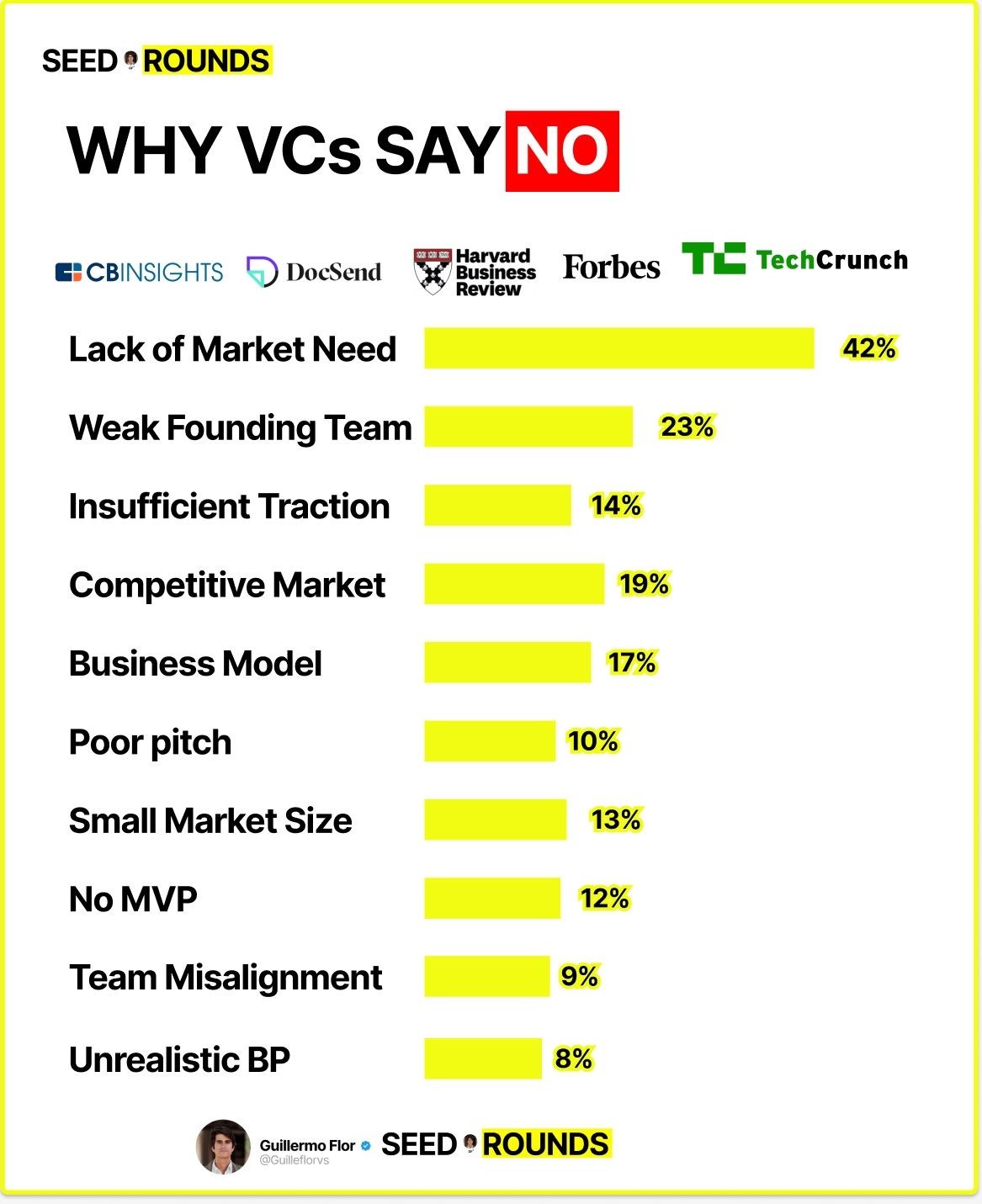
While these fundamental questions can be quickly listed, obtaining accurate and nuanced answers is the real challenge. Today’s generative AI tools like ChatGPT can provide initial research and basic insights. However, an experienced industry consultant brings invaluable depth that typically takes a team two to four years of market immersion to develop.
The job of a marketing and strategy consultant is to help you refine your mission, purpose, and vision and work with you to find the questions for which you should be looking for answers. A market and strategic consultant will help you put a business model canvas in place, act as a sounding board, and bring in alignment concerning what kind of people we should be hiring to achieve your vision and mission.
Technical Consulting:
During your MVP development, you can hire various technical consultants to solve different problems. Understanding your needs is the first step toward hiring the right person.
A Fractional Product and Technical Consultant (FCPTO) can help you convert your vision and mission into an MVP roadmap, which, once built out, will help your customers get value out of your product and help you generate revenue.
A senior software tech consultant can help you code the product and deploy the code on the cloud.
A UI UX consultant can help you perform the user journey search and create UI UX designs that enable the user to use your app or web application effortlessly.
A product management consultant can act as a bridge between you as a business owner, a UI UX consultant, and a software developer. A product manager with the right mix of commercial sense, UI UX sense, and technical sense can play a huge role in converting a fractional CPTO(Chief Product & Technical Officer) vision into reality.
Market Research Consulting:
A market research consultant is different from a strategy consultant in a way that this consultant’s focus is on going out there and interviewing your potential customers, understanding their needs, how the competition is using the competitive products, and what gaps are in the existing products that the potential customers are using. While this role needs to be played by the founder herself, most of the time, you also need a sounding board who can work with you to validate your business idea
Design and UX Consulting:
Design and UX consulting help you understand which user journeys are critical for the system’s success, how to optimize those user journeys, and how to convert those users’ journeys into the workflow through web or mobile UI. Design and UI today give you a competitive advantage, and most of the time, creating a good design is an art and a science. When hiring a design consultant, always ensure they have experience developing the new UI for a complex product, as well as experience in optimizing the existing system designs.
Project Management Consulting
Today, the requirement for project management consulting is low. Still, let’s say you must involve a project management consultant or an agency specializing in project management. In that case, you must first identify whether the consultant or the consulting agency has the required expertise in the area where you are looking for project management.
A project consultant with the right skills will be able to identify the critical milestones, the tasks within those milestones to achieve the project, and the resources that will help achieve those milestones. The project manager will also be able to identify the risks upfront that can impact the project or the project’s cost.
When developing an MVP, the best approach is to let the product manager handle the project management activity. This will keep the team size small and the cost in control. Ultimately, as a founder and a business, you must own the project management and the product manager so that the MVP is developed on time within your decided cost.
Today, there is a lot of talent in the market who started working with start-ups and scale-ups fifteen or twenty years back and solved many problems while building those companies. This talent can be leveraged at a fraction of the cost to develop your start-up today.
Why Hire a Consultant for MVP Development?
It is optional to hire a consultant for MVP preparation; the tech co-founder will do the best job. But when you are a founder from a non-technical background who is not able to find a technical co-founder or a small to mid-size business owner who is busy executing your existing business; in that case, you want somebody else to take care of the minimum viable product development, it is advisable to hire a consultant so that at least you can make progress on the idea.
Let’s look at a few advantages of hiring a consultant who can help you develop a remarkable product.
- Expertise and Experience: Building a business is about your ability to identify and hire people with the required expertise and experience. I identified this key after building a couple of businesses. When you try to do everything on your own or learn everything on your own, the motivation behind creating a business is to learn, not to build the business.
An experienced product and technical consultant with specialized knowledge of the specific industry and domain will not only reduce your time to market but will also be able to manage the risks and mistakes that your business will eventually face in the upcoming months and years.
- Objective Perspective: Making better decisions is the most critical aspect of building a business, and you will only be able to make better decisions if you have people around you who can enable you to make the right decisions by asking the right questions at the right time. An experienced product and technical consultant is called a fractional product and technical officer(FCPTO), providing an unbiased external viewpoint.
- Efficiency and Time-Saving: Efficiency and time management are other outcomes that can be easily achieved if you have hired the right product and tech consultant. When the consultant has the right Exposure and experience, they have already built up those processes and deployed them multiple times during their lifetime, which helps them be efficient and able to complete project work on time.
- Risk Mitigation: Risk is your ability to identify potential processes, people, and technology issues that can arise later. When you hire the right product and tech consultant to build your MVP, they have the required experience to identify and mitigate the risks your new business will face.
- Cost-Effectiveness: Cost-effectiveness is another reason to hire a fractional product and tech consultant to discover, design, and build your minimum viable product. When you are not able to find a tech founder or a person on your team who has years of experience solving tech product problems, hiring the same person full-time will cost a lot of money, but hiring a fractional CPTO will come at a cost that will still be high but will be far less than hiring someone full-time.
When somebody has traveled the path you are about to travel, it is beneficial to seek input that will help you avoid the mistakes that others have already made. This will eventually save you time, energy, and money.
How Fractional CPTO Consultants Help in MVP Education
A fractional CPTO with founder-level experience can be critical during MVP recruitment and beyond. Hiring an F-CPTO with technical and product management experience can help build the required foundation for your start-up product.
- Validating Ideas: Fraction CPTO helps you validate the ideas that have been sitting in your head or in Excel on your laptop for a long time. The biggest mistake of new founders, especially those from non-tech backgrounds, is getting straight into the execution and building products that might not even be required in the market.
Hiring a fractional product and tech consultant can reduce the risk of creating something nobody wants. Let’s take an example, you are trying to develop a fintech business, and you have an idea where smaller mid-size companies can take loans against their invoices; a consultant can help you.
- Validate how you are thinking about approaching this business
- How will you bring it to the market, and
- How can you differentiate your part from the existing competition?
The right fractional business and strategy consultant can help you identify and validate those problems and create a product vision, enabling you to build a product that your customers will love.
- Defining the Core Features and Functionalities: The consultant can identify the pain points and prioritize them with you without being biased or emotionally attached to your idea. Once the pain points are identified, FCPTO can help you prioritize features and functionalities that will empower you to build a minimum remarkable product.
- Creating a Development Roadmap: A fractional product and development consultant can help you define the minimum remarkable product roadmap and the road map that needs to be followed post-launch of the MVP. The fractional consultant can work with your team and you to create the project plan by identifying the resources that will best fit your project and defining clear work boundaries within those team members to achieve the project plan on time and within the cost.
- Prototyping and User Journeys: A fractional product and technical consultant for MVP development can help you build the wireframes according to the identified critical user journeys and optimize those journeys through the prototypes and wireframes. They can work with you and act as a sounding board to ensure that you are not developing something nobody wants by implementing an iterative process that will keep improving your design and product.
- Technical Implementation and Support: Once the fractional consultant has done the initial work on the product by identifying critical user journeys, designing, and creating an MVP roadmap, the next job is to develop a technical architecture that will support your product on day one and how that architecture can be scaled up in coming years when scalability is required to help your customers.
- Iterative Improvement and Feedback Integration: The fractional product and tech consultant (FCPTO) helps set up an iterative process to continuously improve the product based on early sales attempts, conversations with potential customers, and feedback from existing customers. This process is necessary to ensure the product improves even after the first beta is released.
Hiring a software developer to develop your product is the number one mistake most founders from non-technical backgrounds make. Trust me, software developers with less than five years’ experience are good at developing software, not tech products. Developers need guidance, which the full-time technical co-founder or a Fractional CPTO can provide.
How To Choose the Right Fractional CPTO Consultant for MVP Development
Choosing the fractional CPTO consultant who can help in the MVP building journey is straightforward if you understand the skill set of a product manager, software engineer, CTO and CPO.
Lets look at how you can select the FCPTo for your start-up:
- Key Qualities to Look for in a Consultant: The FCPTO must have seen multiple 0-to-1 tech product-building journeys. The right consultant must have delivered different tech products in various domains with varying kinds of founders and companies at different stages, stayed there for at least two to three years, and seen the company’s product, customer, and revenue grow.
Avoid hiring consultants who jump from developing one product to another every three to six months. The experience of building and scaling a product only comes when you see the sales, customer success, and support scale. In contrast, the product matures in parallel based on inputs from sales, customer success, and customer support team members.
Questions to Ask Potential Consultants: The questions to ask MVP consultants are as follows:
- How many 0-to-1 take product journeys have you seen to date?
- How much time have you spent building and maintaining those products or companies?
- What are your core skills and core domain expertise?
- How can you ensure the product-building cost is optimized while we are building the product?
- What are the biggest challenges you have seen in your past work experience while building a tech product?
- How do you address those challenges?
- Why do you think somebody should not hire you?
Asking these questions will help you understand the quality of the consultant’s work in previous projects.
- Evaluating Past Projects and Success Stories: Many consultants create case studies and testimonials. To validate them, always ask for a couple of references from previous customers with whom the MVP consultant has worked. Validate the references the MVP consultant provided you by using LinkedIn. Then, call them and ask for feedback on the musical result.
- Assessing Industry Expertise and Technical Skills: Emphasize the importance of matching the consultant’s expertise with the specific needs of the MVP project.
It is vital first to understand the requirements of your tech product, goals, and the expertise you need in your team before you hire a fractional CPTO consultant for your MVP development.
It starts with understanding the industry, niche, and sub-niche in which you will play the game of building the business. And how your product will be different from that of existing competitors.
When you can find a consultant with the right technical expertise with previous experience in developing and scaling type products in the same niche and sub-niche, hire that consultant immediately.
- Understanding Their Approach and Methodology: It is crucial to understand the consultant’s tech skills and product-building skills, and the process the consultant will deploy to ensure that the MVP product gets developed on time, within budget, and with high quality. After the consultant explains the process that he or she follows, try to understand how many times he or she has deployed that process in the past where he or she has worked.
- Checking Client Testimonials and Reviews: Getting references from existing customers or past customers on the consultant will also help you understand the consultant’s capabilities and get early feedback on how it will turn out while working with the consultant. Thus, your judgment and probability of hiring the right consultant depends on how you evaluate this person, as complemented by previous customer feedback and testimonials.
Avoid hiring FCPTO who like to work at 36,000 feet. Hiring FCPTO who has right mix leadership and hands-on expertise will help a lot in shaping your MVP and setting the stage for scalable product and business.
Common Challenges in MVP Development and How FCPTO Consultants Helps in Overcoming them
Lets look at various challenges that you will face when you develop your MVP.
- Identifying the Right Problem to Solve: The major problem I have seen when the MVP doesn’t get the customer’s love is when the features are delivered but are not aligned with the customer’s problems and challenges.
This happens predominantly because of the creators’ bias, where the founder gets carried away with the creativity of building something while not thinking in an unbiased manner about which problems need to be solved and what features will help to solve those problems, and among all the features that are aligned with the particular proble,m which feature has a higher priority.
A fractional CPTO consultant acts as a sounding board for your idea and helps you identify the problems that need to be solved with respect to each persona in the customer world.
- Balancing Features with Simplicity: Another primary reason MVP development fails is that you become a feature factory, focusing on developing too many features, which might or might not help get early traction and revenue. A consultant’s job is not just to help you identify the right problems that need to be solved; it is also about identifying the right features that will solve those problems and how to prioritize those features.
- Managing Limited Resources: A consultant with a frugal mindset can develop an MVP on time with high quality within a limited budget. When selecting a consultant, it is imperative to see whether the consultant can manage the show of MVP development within the limited budgets that every startup has when they are starting their journey.
- Ensuring User Engagement and Feedback: The fractional CPTO consultant should work with founders and talk to early customers to gain feedback about the product, what are the things that are missing, and what are the things that you have delivered that might not give value to them. After getting customer feedback or observing how users use your product using product analytics tools, the consultant must prioritize the features or modify the existing feature priority list to accommodate the received feedback. This is a continuous process and should be done more than once every week or yearly. It should be done monthly during the first three years of the product-building journey.
- Scaling the MVP to a Full Product: After the beta version of the product is out and you have early traction in your revenue, sooner or later, you will start getting scalability challenges around your product. The most common scalability challenges are the application needing to respond to the truckload of users coming your way, the cost of serving the product, that is, the infrastructure cost of hosting the product side, the need to optimize and scale your product, and the tech team. The fractional consultant should help you address these challenges by identifying the proper intervention that needs to be done before the problem of product scalability gets out of hand.
You will face various challenges in MVP development. When an FCPTO is hired who has the right skill mix, as a founder, you will be able to focus on the other side of building a business, which are refining your ICP, talking to potential customers, and figuring out channels of marketing to reach out to your ICP.
FAQS
What is the Average Cost of Hiring a Fractional CPTO MVP Consultant?
Provide an overview of typical cost structures, including factors influencing pricing such as expertise level, project scope, and duration.
| Location | Hourly Rate for FCPTO | Monthly Retainers for FCPTO (10–20 hours per week) |
| United States | $200 to $500 per hour | $5,000–$15,000 |
| Europe, UK, Australia and New Zealand | $150 to 300 per hour | $4,000–$12,000 |
| Asia | $80 to $150 per hour | $2,900–$5,000 |
How Long Does the MVP Development Process Take with a Consultant?
When your startup lacks a product and tech co-founder, hiring a fractional CPTO to develop and scale your product is necessary. Since the company is at a stage where you can only hire part of the line of leadership team, utilizing fractional consultants who have been there and done that is a perfect way to use people’s skills and expertise while keeping the cost low.