

Backend developers often collaborate closely with frontend developers to seamlessly integrate an application’s client-side and server-side components. This requires technical proficiency and the ability to work effectively in a team in order to resolve potential integration issues. Thus, while technical skills are paramount, a backend developer’s soft skills should also be considered before hiring them.
Why is Hiring the Right Backend Developer Critical?
Before onboarding a developer to a project, it is crucial to conduct a thorough interview process to ensure you select the right candidate. While technical skills are an obvious priority, assessing how well the developer will integrate into all aspects of your project is equally important. Finding the right developer is crucial because they:
- Bring in specialized skills that align with your development project.
- Understand your needs and are dedicated to bringing your vision to life.
- Work well with you by communicating and providing updates.
- Inform you of any issues during development and work with the rest of the team to find solutions.
- They are passionate about seeing your tech product succeed and commit themselves to ensuring this happens.
After hiring a developer, reiterate your needs and establish a shared understanding of your vision and expectations to ensure alignment. Additionally, hold regular check-ins, whether weekly or bi-weekly, to monitor the progress of the product’s development and address any potential issues.
Core Technical Skills for Backend Developers
Backend development forms the backbone of any functional application because it encompasses the server side, which powers features that users interact with. The server side is responsible for data management, ensuring communication between the server and client, and handling user requests. Given the complexity and importance of these tasks, hiring a developer with the right technical expertise for projects that rely on backend development is crucial.
Programming Languages
A good developer should possess a strong command of the programming languages essential for building your tech product. Proficiency enables them to efficiently create scalable and secure systems that form the foundation of your product. Ensuring your product’s quality, speed, and long-term success is crucial.
Developers who are not well-versed in the required field can prolong the development process because they struggle with basic concepts and encounter frequent roadblocks. Hiring a backend tech with little expertise can also result in poorly written and hard-to-maintain code. This increases the risk of bugs and system failure and, in extreme cases, forces you to hire another team to redo the entire project.

Image by Luis Gomes via Pexels
Understanding of Databases
Databases are the cornerstone of most tech products because they handle data storage, retrieval, and management. A skilled developer should be knowledgeable in:
- Database schemas, optimizing queries, and ensuring integrity and security.
- Database principles, such as normalization and indexing to ensure an application performs well even with large amounts of data and complex queries.
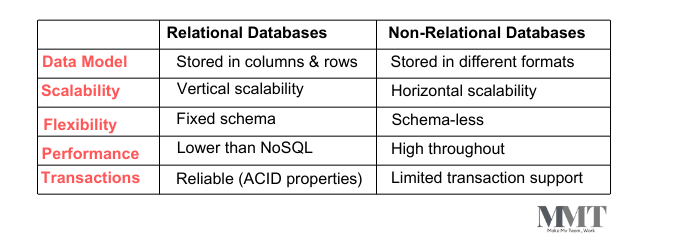
- Different types of databases, that is, relational (SQL) and non-relational (NoSQL), so they can choose the best solution based on your product’s needs.
Poor database design and inefficient querying can lead to slow performance and data corruption, which can affect a product’s functionality.
API Development and Integration
API development involves designing, building, and maintaining Application Programming Interfaces (APIs). API integration, on the other hand, is the process of connecting two or more systems through their APIs to share data or functionality, for example, linking a website to a payment getaway such as Paypal or Stripe. The backend developer you hire to develop your product should be skilled in:
- Designing the API: Determining the API functionalities and using tools like Swagger to design them before coding.
- Building the API: Coding the logic that will handle incoming requests and generate the appropriate responses. Programming languages such as Python (Flask/Django) and Java (Spring Boot) can be used to build APIs.
- Defining endpoints: Defining what data is accepted or returned and in what format.
- Integrating authentication and security: The developer implements security access, e.g., using API keys and OAuth to prevent unauthorized access.
- Testing and Documentation: After development, APIs should be tested to ensure they work as expected. Documentation can help provide users with clear instructions on how to use the API.
Depending on your product’s specific needs, it is crucial to select a backend developer who is well-versed in common API technologies such as RESTful, SOAP, and GraphQL.
Version Control Systems
It is essential to ensure that the developer you hire is proficient in version control systems such as Git, Mercurial, and SVN. These tools are critical for managing and tracking changes in your project’s codebase. A skilled developer will write clean code that is easy to read, manage, and maintain, and ensure that the code remains adaptable for future developers who may work on the project. This is especially important if your project evolves over time or if the codebase needs to be handed off to new team members.
A skilled backend developer will also effectively utilize version control systems to enable seamless collaboration if you have a team working on the project. They can manage simultaneous contributions, ensuring that changes made by different team members are merged smoothly without overwriting or conflicting with each other’s work. This helps maintain project integrity, reduces the risk of errors, and ensures efficient, streamlined development.
Server, Networking, and Hosting Environments
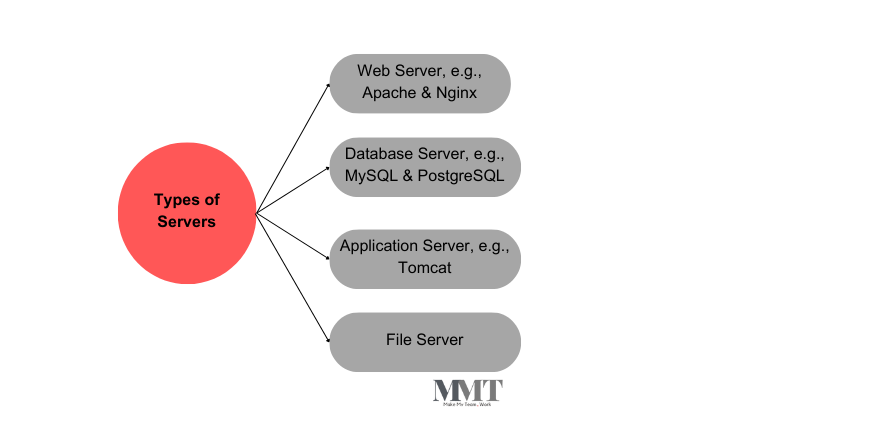
Assessing a backend developer’s understanding of the fundamental concepts that define how applications are deployed, accessed, and managed is crucial before hiring them. This ensures they can design and implement applications that run efficiently in real-world environments. These environments include:
- Server: An understanding of systems designed to provide services, data, or resources to other systems over a network, for example, web servers like Apache and Nginx.
- Networking: A developer should be knowledgeable about how systems communicate with one another and key networking concepts like IP Address, DNS, and Protocol.
- Hosting: A fundamental understanding of hosting environments is important because these infrastructures provide platforms that host your product. They influence the product’s reliability, maintainability, and scalability.
A developer lacking the foundational knowledge of these concepts can struggle with deployment challenges, inefficient resource management, or security vulnerabilities, which can negatively impact the user experience and performance of your tech product.
Knowledge of Security Compliance
Backend systems are responsible for managing sensitive data and business logic. A developer should be conversant with legal, regulatory, and industry-specific standards because they are designed to protect data and privacy. The three major aspects of security in backend development include:
- Data Protection: The backend stores and manages sensitive data, such as user credentials and financial data, protecting it from identity theft and fraud.
- Encryption: Data should be protected from unauthorized access, both in transit and at rest, which can lead to malicious activities.
- Database Security: Sensitive data stored in databases should be safeguarded with strong encryption and access control mechanisms to prevent leaks.
The developer you hire should be well-informed on security protocols–this maintains the integrity of your product and safeguards your company’s reputation. It also builds users’ trust in your product because they are confident that their data is secure.
Now that you clearly understand the essential technical skills to look for in a backend developer and their significance, it’s equally important to prioritize innovation and adaptability during the hiring process. A good developer continuously evolves and stays up-to-date with current trends and emerging technologies. When assessing candidates, review their past projects to gauge their growth, progress, and ability to adapt to new challenges.
Soft Skills and Other Essential Qualities
In addition to their solid technical expertise, backend developers need strong personal attributes that help them navigate challenges and collaborate well with others. The following are soft skills to look for when hiring a developer:
- Problem-solving skills: The ability to think outside the box to solve issues affecting the development process, such as improving the workflow.
- Communication skills: While backend creators work on a project’s technical aspects, finding someone who can communicate well is essential. They collaborate with front-end developers and product managers and relay information on project-related aspects to other stakeholders.
- Time management and organizational skills: When you embark on a development project, you most likely intend it to be completed within a certain time frame. Therefore, look for a developer who can prioritize tasks efficiently and maintain a steady workflow throughout the entire development cycle to ensure timely completion.
- Adaptability and willingness to learn: The technological field is constantly evolving, which requires developers to keep up with current tools, languages, methodologies and industry best practices. When hiring a developer, evaluate their progress in learning new things and staying innovative over the years.
- Collaboration and teamwork: Many development projects require a team, with each member bringing their expertise to a specific aspect of the project. Despite the diversity of roles, it is crucial that all team members align their efforts and streamline their processes to work towards a common goal because each part of the project can influence the other. Hiring someone who can work well with others through communication and task coordination is essential to ensure the project is streamlined.

Image by Fauxels via Pexels
The quality of a tech product is not only a reflection of the technical expertise behind it but also of how well the team collaborates throughout the development process. When hiring developers, it is important to recognize their personal attributes and interpersonal skills because they influence the successful development of your product.
FAQs
What certifications or degrees should a backend developer have?
There is no single, universal path to qualification in backend development because it largely depends on an individual’s career goals, desired area of specialization, and preferred approach to learning. Some developers pursue formal education, earning degrees in Computer Science or Information Technology, while others opt for online courses and certifications to gain expertise in specific technologies. Many developers also rely on self-guided learning, utilizing online resources to master programming languages and development frameworks.
How important is it for a backend developer to have experience with DevOps?
DevOps is a set of practices, principles, and cultural philosophies that aim to improve the collaboration between software development (Dev) and IT operations (Ops) teams. The primary goal of DevOps is to shorten the development lifecycle, increase the frequency of software releases, and improve the quality and reliability of software applications by fostering a culture of collaboration, automation, and continuous improvement. Therefore, it is crucial for a backend developer to have experience with DevOps to streamline the development process by collaborating well with others.