


Hiring offshore or nearshore isn’t just a business strategy–it’s like running a productivity machine powered by coffee, cultural spice, and meetings with budget-friendly brilliance from around the world. Hiring offshore means creating a system where work continues around the clock, with unfinished tasks getting completed while you sleep. Why restrict yourself to one time zone when you can extend your workday across three, essentially building a business that never stops moving?
And it’s not just about cost savings anymore. The rising trend of businesses outsourcing to offshore and nearshore teams is a strategic move to tap into global talent, enhance operational efficiency, and drive innovation. As technology evolves, companies leveraging these partnerships stay ahead by accessing expertise from across the world, making them more agile and competitive in a globalised market.
What is an Offshore or Nearshore Tech Team?
Outsourcing is basically when a company says, “You know what? Let’s have someone else do this because they’re better, faster, or cheaper at it–and we still get a lot of value from it!” You hand over tasks that you don’t want to do or aren’t great at to someone who actually enjoys doing them.
Your company focuses on what it does best–making money–while outsourced teams handle customer service, web design, coding, testing, and other operational tasks. Let offshore teams take care of the tech-heavy lifting, freeing your in-house team to focus on strategic goals.
The difference between nearshore and offshore outsourcing boils down to geography and time zones. It’s a business decision whether to outsource to a team with a 2-3 hour time difference (nearshore) or a 5-10+ hour gap (offshore).
Location Breakdown:
- Nearshore: The outsourced team is in a neighbouring or nearby country, often within the same or a similar time zone. (Example: A U.S. company nearshoring to Mexico or Canada. The Philippines is considered nearshore for Australian businesses.)
- Offshore: The outsourced team is much farther away, typically with a significant time zone gap. (Example: India and Nepal are offshore for the U.S., U.K., or Australia.)
Quick Analogy:
- Nearshore is like outsourcing to your next-door neighbour—they’re close enough to borrow sugar from or attend meetings in real time since the time zone difference is minimal.
- Offshore is like outsourcing to a friend on another continent—they’ll get the work done while you sleep, but you’ll need to adjust schedules for face-to-face check-ins.
For a U.S.-based company, Mexico is nearshore, while India is offshore. For an Australia-based company, the Philippines and Vietnam are nearshore, while India is offshore.
Key Outsourcing Trends
The global BPO (Business Process Outsourcing) market is projected to reach $525 billion by 2030, driven by increasing demand for customer service, IT, and back-office support. The shift to remote work has further accelerated outsourcing for roles that don’t require an on-site presence, making offshore and nearshore teams an even more attractive solution for businesses.
Emerging Markets in Outsourcing
Countries like India, the Philippines, and Eastern European nations continue to dominate the outsourcing industry due to their skilled labour force, cost advantages, and well-established outsourcing infrastructure. The industries and roles that commonly outsource include:
- Technology (IT & Software Development): Around 60% of companies outsource at least part of their IT operations. Commonly outsourced roles include software development, IT support, cybersecurity, and data management.
- Healthcare: The global healthcare outsourcing market is expected to grow at a CAGR of 10.5% by 2030. Popular outsourced functions include medical billing, coding, transcription, telemedicine services, and IT solutions. Hospitals often outsource patient record management to specialised firms.
- Retail & E-Commerce: Over 36% of businesses outsource logistics and customer service. Commonly outsourced tasks include order fulfilment, digital marketing, website development, and customer support. Amazon, for example, uses third-party logistics (3PL) providers for last-mile delivery.
- Banking & Financial Services: 40% of financial institutions outsource their back-office operations. Key outsourced functions include risk management, payroll, compliance, customer service, and data analysis.
- Manufacturing: Nearly 70% of manufacturing firms outsource production or component assembly. For example, Apple outsources hardware production to companies like Foxconn. Other commonly outsourced functions include product assembly, quality control, and supply chain management.
- E-Learning & EdTech: More than 50% of e-learning is outsourced so it’s no surprise that the market is projected to reach $8 billion in 2025. Commonly outsourced services include Learning Management System (LMS) development, content creation, IT support for online platforms, and administrative tasks.
- Travel & Hospitality: Travel agencies outsource 30% of their customer support and booking management. Airlines frequently outsource call centres and IT infrastructure to reduce operational costs.
Outsourcing is reshaping how businesses scale, innovate, and operate in an increasingly connected world. As industries continue to embrace offshore and nearshore partnerships, the key to success lies in choosing the right outsourcing model that aligns with your company’s goals.
Why Should You Outsource?
Outsourcing and hiring offshore or nearshore isn’t just cost-effective–it’s an adventure in global humour, cultural exchange, and discovering new ways to collaborate. Working with teams from different parts of the world introduces fresh perspectives, unique problem-solving approaches, and sometimes hilarious misunderstandings that turn into inside jokes. It’s more than just a business decision; it’s a chance to build a dynamic, borderless workforce.
You are not Superman–you can’t do everything yourself. Why wouldn’t you bring in specialised experts to handle tasks more efficiently and cost-effectively if you can? Outsourcing allows businesses to focus on core strategic initiatives instead of getting bogged down by operations. Think about it: you love brainstorming ideas and refining your creative genius, but do you really enjoy spreadsheets and government paperwork? Letting others handle the tedious stuff frees you to work on what excites you.
And then there’s the currency advantage. Outsourcing to countries like Vietnam, the Philippines, or India doesn’t just give you access to skilled talent–it stretches your budget further. Suddenly, currency conversion becomes fun when you realise how much more you’re getting for your money. From cost savings to a larger talent pool, outsourcing is a game-changer.
It’s like assembling your own Avengers team, with top talent from around the world working while you sleep. With a 24/7 productivity engine, tasks keep moving even outside your regular business hours. And during the festive season? While your onsite team takes time off for Christmas, your offshore team keeps things running because they had their break during Diwali. It’s a work calendar swap that ensures round-the-clock operations, speeds up project timelines, and keeps your business running no matter what.
Challenges of Hiring an Offshore Tech Team
Hiring an offshore tech team sounds like a dream—cost savings, global talent, and a 24/7 work cycle. But reality? It comes with its fair share of chaos. You might wake up to unexpected surprises in your project, spend hours deciphering an email lost in translation, or wonder if your joke actually landed on the other side of the world. While outsourcing opens doors to incredible opportunities, it also throws in some of these curveballs that can trip you up if you’re not prepared:
- Communication Barriers: Offshore communication feels like time travel—you send a message, get a reply hours later, and by the time you respond, it’s already tomorrow. Cultural quirks add to the fun—Indians nod like bobbleheads, Australians say “Yeah-Nah,” and slang gets lost in translation. And, of course, there’s the classic network struggle: “Can you hear me?” Silence. Fifteen minutes gone forever.
- Time Zone Differences: A 24/7 work cycle sounds great until you realise urgent decisions are delayed by hours. Meetings require careful planning, and the tiny window of overlapping work hours can be a scheduling headache. Without structured workflows, the time gap slows everything down.
- Cultural Differences: Different cultures mean different communication styles—some teams hesitate to challenge ideas, while others are blunt. Humour doesn’t always translate, and misunderstandings happen when assumptions replace clarity. Awareness and adaptability are key to keeping things smooth.
- Quality Control and Project Management: Managing quality remotely is tricky—coding standards, design preferences, and testing processes can vary. Without clear expectations, small misalignments turn into big problems. Strong documentation and regular check-ins keep things on track.
- Data Security and Confidentiality: Sharing sensitive data with offshore teams involves risks, such as different laws, potential breaches, and mishandling of information.
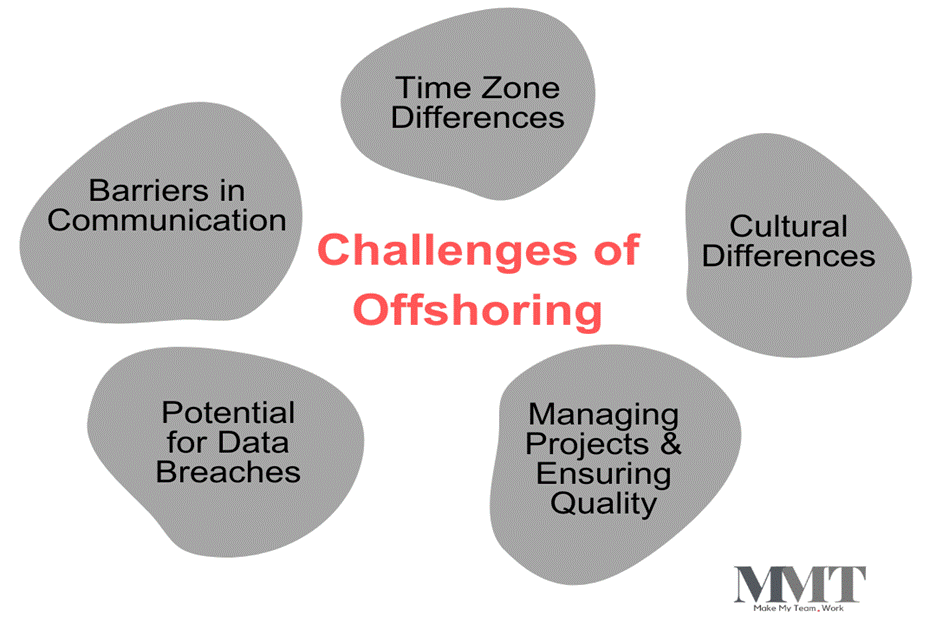
Offshoring is about learning to navigate a whole new way of working. The challenges are real, but so are the rewards when you figure out how to sync across time zones, bridge cultural gaps, and keep projects running smoothly.
Steps to Hire an Offshore Tech Team
Hiring an offshore team can be a game-changer for businesses looking to scale efficiently, reduce costs, and access global talent. However, the process isn’t as simple as just finding a team and handing over tasks. To build a successful offshore team, you need a well-defined strategy. By following the key steps outlined below, you can streamline the hiring process:
- Define your Requirements: Start by outlining the roles you need to fill, the required skills, and the level of expertise. Determine whether you need a full-time team, part-time workers, or project-based contractors.
- Choose the Right Offshore Location: Research different countries based on factors like cost, talent availability, language proficiency, and time zone differences. India, the Philippines, Eastern Europe, and Latin America are some of the most popular offshoring locations.
- Select the Best Hiring Model: You can either hire freelancers for short-term contracts, use outsourcing agencies to create fully managed teams or hire full-time employees directly.
- Find and Source Candidates: Platforms such as MMT, Toptal LinkedIn, and Upwork are great for sourcing potential candidates.
- Screen and Vet Candidates: After finding people you feel are suitable for the role, it’s essential to thoroughly vet them to ensure they are the right fit for your company.
- Negotiate Terms and Finalize Contracts: Once you’ve found the right candidates, discuss salary, working hours, and expectations. Draft a clear contract covering deliverables, payment terms, confidentiality, and compliance with local labour laws.
- Onboard your Tech Team: Prepare a smooth onboarding process that allows your new team to integrate quickly.
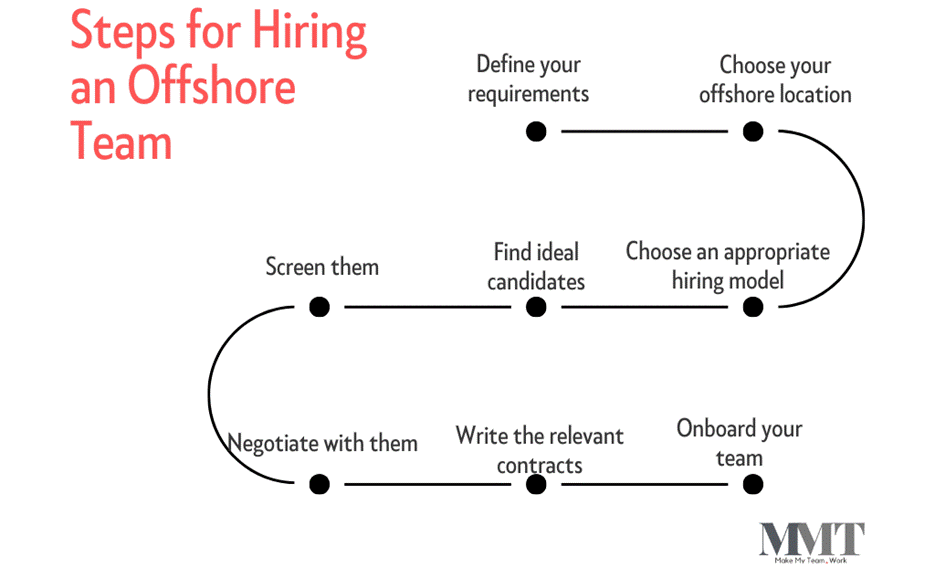
Building an offshore team is a crucial process that ensures you hire a team that delivers real value to your startup. Careful planning and evaluation of candidates sets a strong foundation for a productive and reliable team.
Best Practices for Managing an Offshore Tech Team
Hiring an offshore tech team is just the beginning because its success depends on how well you manage and integrate them into your startup. Without a solid management approach, even the most skilled remote teams can struggle with misalignment, missed deadlines, and inefficiencies. The following are five best practices for managing your offshore team:
- Set Clear Goals and Expectations: Misalignment happens when offshore teams don’t fully understand what’s expected of them. Everyone should have a clear understanding of what role they play in your startup.
- Prioritise Effective Communication: Time Zone differences and remote work can lead to delays if communication isn’t handled well. To keep things running smoothly, use a mix of real-time (Slack, Zoom) and asynchronous (email, project boards) communication. It’s also essential to set a fixed schedule for status updates to avoid bottlenecks.
- Choose the Right Collaboration Tools: Project management and code collaboration tools ensure you have a centralised system when working with a team of people from different time zones.
- Align Work Hours Strategically: Total overlap in working hours isn’t always possible, but finding at least a few common hours each day ensures smooth collaboration. Identify the most critical hours for meetings and decision-making to keep projects moving efficiently.
- Provide Regular Feedback and Support: It’s essential to recognise your team’s achievements and give constructive feedback. This keeps their motivation high and ensures continuous improvement.
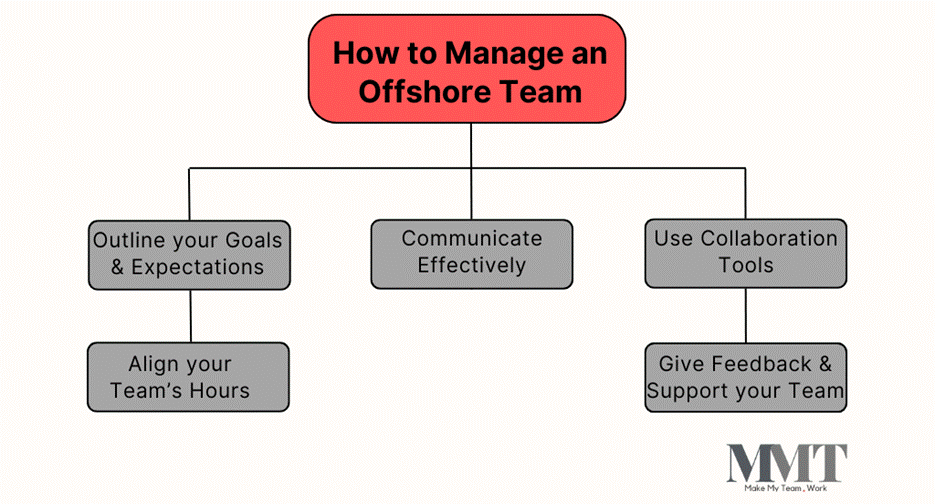
The key is to create a work environment where your offshore team feels engaged, accountable, and connected to your company’s goals. When your team feels valued and included, it creates a culture of trust that turns your offshore team from just a group of remote workers into a real extension of your company.
Tools and Technologies for Managing Offshore Teams
When your team is spread across different time zones, a missed message or an unclear task can slow down progress. Without proper collaboration and workflow management, even simple projects can become chaotic. The right technology bridges these gaps by ensuring your team operates smoothly. Let’s explore some tools that can help manage your team effectively:
- Slack: It allows instant messaging, file sharing, and integrations with other work tools, making it easy to keep conversations organised.
- Jira: It is one of the best tools for tracking tasks, sprints, and overall project progress. It provides a structured way to manage workflows, assign tasks, and set deadlines, ensuring that offshore developers always know what to work on next. Trello and Asana are great alternatives.
- GitHub: It allows offshore teams to collaborate efficiently on code, track changes, and merge updates without conflicts.
- Zoom: It provides high-quality video conferencing with screen-sharing capabilities for regular team meetings and one-on-one check-ins. Google Meet is also a great alternative to Zoom.
- Notion: It acts as an all-in-one knowledge hub for documentation, onboarding guides, and meeting notes. Alternatives like Confluence or Google Docs also work well for maintaining structured knowledge bases.
The right management tools depend on your team’s specific needs, budget, and how easily they fit into your existing workflow. What works for one company might not work for another, so it’s important to choose tools that balance functionality with ease of use. When implemented correctly, these tools will streamline your processes, improve communication, and create an environment where your offshore team collaborates efficiently
Common Mistakes to Avoid When Hiring an Offshore Tech Team
Many companies dive into offshore hiring expecting instant cost savings and productivity boosts, only to face communication breakdowns, missed deadlines, and misaligned expectations. The truth is that offshore hiring isn’t just about finding skilled developers—it’s about making the right strategic choices from the start. To help you avoid these common traps, let’s break down the biggest hiring mistakes companies make and how to steer clear of them:
- Prioritising Cost Over Quality: Of course, cutting down on costs is one of the main reasons companies, especially startups, turn to offshore teams. However, prioritising cost savings over the quality of your tech product can backfire. Cheap hires often mean lower expertise, poor code quality, and higher chances of rework, which can cost you more in the long run.
Solution: Instead of focusing purely on price, invest in a team that can deliver long-term value and scalability for your product.
- Rushing the Hiring Process: Offshore hiring isn’t something you can afford to rush. Skipping proper vetting, technical assessments, or cultural fit evaluations can result in hiring developers who aren’t the right match for your company.
Solution: Take the time to review portfolios, conduct technical assessments, and ensure clear alignment before hiring.
- Lack of Clear Communication: Some startup founders assume their offshore team will instinctively know what to do and deliver results without much guidance. But this isn’t always the case. Expectations around project scope, deadlines, and quality standards need to be clearly communicated.
Solution: Have structured onboarding, define roles, and set up regular check-ins to ensure the team is aligned and progressing as expected.
- Neglecting Cultural Differences: Offshore teams often consist of people from different cultural backgrounds, which can impact communication styles, work ethics, and approaches to problem-solving. The failure to acknowledge these differences can lead to friction and misunderstandings.
Solution: Instead of ignoring cultural nuances, take the time to understand your team’s working style and adapt your management approach. This helps create a collaborative and healthy work environment where everyone feels valued and respected.
- Overlooking Legal Considerations: Offshore hiring often involves sharing sensitive business data. Failing to establish proper security protocols can expose your company to data leaks or intellectual property risks.
Solution: Always use NDAs, secure access controls, and ensure compliance with relevant legal frameworks in both your country and the offshore team’s location.
Every hiring decision affects the quality of your product, the efficiency of your team, and, ultimately, your business growth. A thoughtful approach can help you avoid these mistakes and build a team that does not create unnecessary roadblocks.
FAQs
What is the average cost of hiring an offshore tech team?
There’s no fixed cost for hiring an offshore tech team, as rates vary by region, expertise, and project scope. In popular outsourcing destinations like East Asia and Latin America, businesses can save over 50% compared to local hires. On average, offshore developers charge between $26–$60 per hour, so the total cost depends on the number of team members and the complexity of the project.
How long does it take to hire an offshore team?
The time to hire an offshore team depends on your startup’s needs and the type of engagement. Freelancers can be hired in 1–2 weeks, short-term contract teams in 3–6 weeks, and a long-term dedicated team can take 1–3 months. Factors like skill requirements, vetting processes, and regional differences affect the timeline, so planning ahead ensures a smoother hiring process.
What are the risks of hiring offshore developers?
Hiring offshore developers involves risks, such as communication barriers, time zone challenges, and cultural differences that can impact collaboration. Quality control can be tricky if expectations aren’t clearly set, and managing projects remotely requires strong oversight. Data security is another concern, as sensitive information may be exposed without proper safeguards. Choosing the right offshore partner and setting up clear processes can help mitigate these risks.