
Non-techie clients can communicate effectively with developers by understanding the developer mindset and learning the tech development ecosystem. Non-techie clients can communicate clearly with developers by understanding their world and being conscious of the complexities and constraints they face, which establishes trust.
Unlike other professionals in sales, marketing, and operations who communicate with people to get their work done, software developers communicate with computers through programming languages. This leads to developers becoming experts in communicating with computers, but it impacts their communication skills with people. Understanding developers helps foster patience and reduce misunderstandings during the product development process.
Is it important to Communicate Effectively Between a Non-Techie Client and a Developer?
Open communication is the foundation of a good working relationship between a non-techie client and a developer. To understand why communicating with developers is essential, let’s first look at the challenges you face as a non-tech customer:
- Defining the project scope–some clients have difficulty deciding what should be included or excluded to bring their vision to life.
- Understanding technical jargon–others don’t understand many technical terms. They can also misinterpret them, leading to confusion about their project requirements.
- Managing expectations–a lack of technical background can lead to unrealistic product expectations. For example, some clients want developers to include too many features in their tech product.
- Finding the right technologies–clients with a non-technical background experience challenges when choosing the right technologies to build their product.
- Balancing needs and costs–some clients have high expectations for their product but lack the proper financial resources to meet these expectations.
Therefore, open communication between a developer and a non-techie client is important because it:
- Simplifies technical jargon–Developers can explain what technical terms mean in simple terms, making it easier for clients to communicate their vision effectively.
- Facilitates collaboration between a client and developers–Both parties exchange ideas on how to build a good product that not only meets the client’s needs but also appeals to consumers.
- Prevents misunderstandings–Developers seek clarification on the client expectations they don’t understand.
- Allows clients to leverage the technical expertise of developers–Developers can give clients insights into the most suitable technologies for their product, best industry practices, and design choices that influence user experience. They can also help a client prioritize their product needs by recommending essential features to align with the client’s budget.
- Ensures project alignment–Open communication ensures that everyone is working towards a similar goal, leading to a successful outcome.

Businesses must communicate effectively to form a link that connects a client’s vision to a developer’s technical expertise and helps transform their ideas into reality. Through open communication, a client shares their goals and expectations, and a developer translates them into the desired product.
How can Non-Techie Clients Ensure Effective Communication with Developers?
A client-developer relationship should be treated as a partnership in which communication flows freely. This allows mutual engagement whereby clients can share their goals and vision while developers offer insights due to their technical expertise. Thus opening the need to communicate effectively.
How Should Non-Technical Clients Prepare for a Meeting with Developers?
Preparing adequately for a meeting with developers is essential to identifying your goals and needs, ensuring you effectively articulate your vision to developers. To prepare for a meeting with developers, you should:
- Research on your product idea–This step is crucial if you prepare for the first meeting with developers. It helps you understand the type of product you want to build and what you aim to achieve with it.
- Clarify the objectives of the meeting–Identify what you aim to gain from the meeting, for example, discussing your project’s requirements, seeking clarity from developers, or addressing specific concerns.
- Write notes–Jotting down notes helps you remember keypoints to discuss during the meeting. The notes should also comprise of questions to ask developers, for example, seeking guidance on which technological approaches are suitable for their project.
- Familiarize yourself with basic terminology–Non-techie clients don’t need extensive knowledge of technical terms, but having basic knowledge of common terms will help them follow along easily in the meeting.
By following these tips, non-techie clients can hold a focused and productive meeting with developers and build a strong foundation for building a successful product.
What are Some Effective Communication Techniques when Dealing with Technical Teams?
Leveraging techniques for effective communication techniques allows technical teams to work efficiently, leading to better project outcomes. It also facilitates a cohesive and productive development process by allowing team members to share ideas and address challenges. Let us look at some communication techniques you can utilize to enhance collaboration with your technical team:
- Active listening–by being attentive to a speaker, processing and understanding what they are saying, and responding effectively.
- Using visual aids and flow charts, which break down complex and intricate ideas into simple representations.
- Regular check-ins–to track the team’s progress, discuss areas of improvement, and address any concerns.
- Using analogies, which helps break down technical terms and complex concepts by comparing them with real-life examples.
Another way to communicate effectively is to understand how to navigate discussions in technical teams. This fosters effective collaboration and ensures that project goals are met effectively.
How can Non-Techies Ensure their Project Requirements are Clearly Understood?
Ensuring that project requirements are clearly understood is fundamental to its success. Misunderstanding project requirements is damaging because it can lead to a product that does not align with your vision. To avoid these setbacks:
- Communicate your goals and needs to developers clearly,
- Integrate regular check-ins to get updates on developers’ progress and gauge whether what they’ve accomplished so far aligns with your end goal.
- When holding meetings, outline the agendato ensure discussions are focused and to prevent scattered conversations that have nothing to do with the project.
By creating an engaging and collaborative environment, developers can understand a client’s requirements and build a product that aligns with their vision.
Communication between non-techie clients and developers comes down to openness, understanding, and collaboration for a successful project outcome.
How can Clients Understand Complex Technical Product Development Roadmaps?
A technical product development roadmap is a visual plan that outlines a project’s technological strategy. The framework guides the technological development process, including the timeline, milestones, and key deliverables. Clients need to understand roadmaps because they help translate their vision into actionable steps, allowing them to be actively involved in the project. To do this, clients need to familiarize themselves with a developer’s world and workflow to get a feel for what goes into bringing a product idea to life.
Understanding the Developer’s World
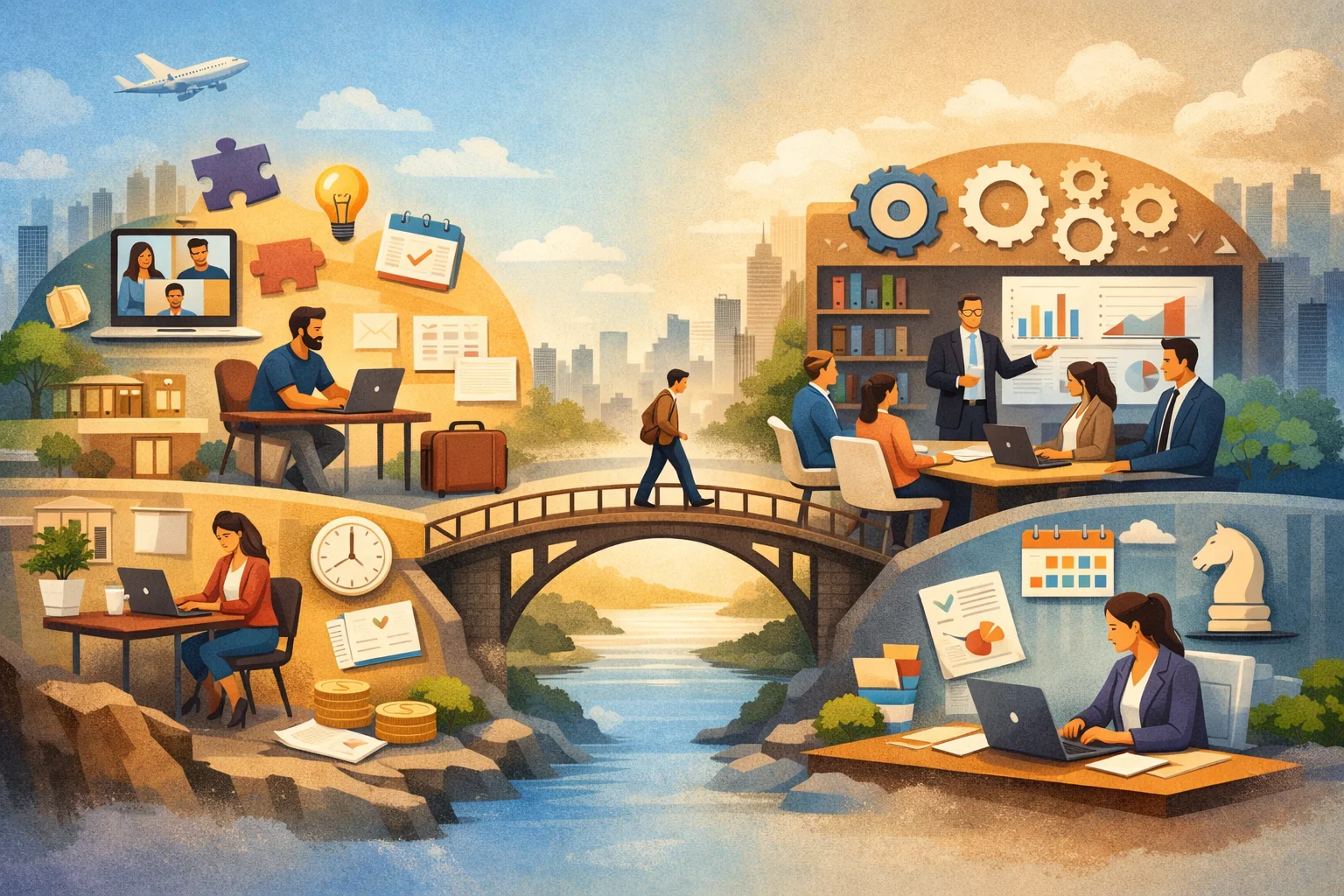
A typical developer’s world centers on building the applications and services we use daily. Picture an environment where someone immerses themselves in their computer and spends their time writing code. In this environment, the person collaborates with others by sharing ideas, tackling problems, and providing regular updates on their progress. They rarely interact with outsiders, which can hinder their communication skills.

Image by StockCake
What is the typical workflow of a developer?
Understanding a developer’s workflow helps clients gain insight into the steps developers undertake to build a product. A typical developer workflow involves:
- Requirement gathering–Developers engage with clients to understand their goals and needs. They can also gather insights from end-users to determine features and functionalities that will go to the final product.
- Project planning–This process involves creating a roadmap that outlines the timeline, milestones, and tasks necessary to bring the product idea to life.
- Collaborating with designers–Developers work with designers to create prototypes and wireframes that showcase the layout and functionality of a product.
- Product Development– After getting approved designs, developers can write code to bring the product idea to life. The development process also involves collaboration with other developers using project management tools and integrated development environments (IDEs) to streamline tasks and track code changes.
- Product Testing– This involves subjecting the product to rigorous testing to fix bugs and ensure it runs smoothly.
- Deployment–Once they confirm that the product is functional and bug-free, developers ship it and make it available to consumers.
- Post-launch support–After deployment, developers monitor the product, track its performance, and iterate based on user feedback.
The steps above outline the typical workflow of a developer but it can change depending on the requirements and goals of a project.
By gaining insight into a developer’s ecosystem, clients can gain a better understanding of technical roadmaps and manage their expectations into realistic goals and timelines.
What Tools Can Assist in Bridging the Communication Gap between Technical and Non-Technical Individuals?
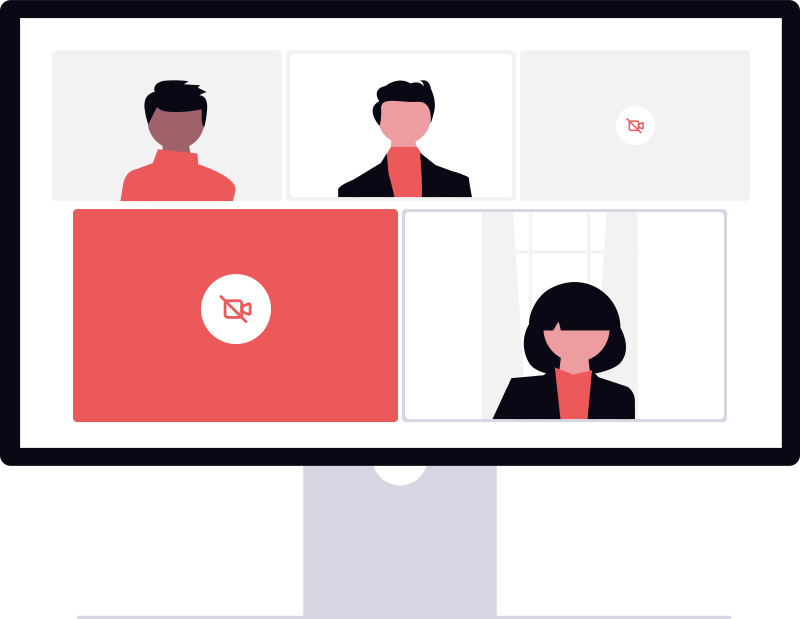
A lack of clear and effective communication between a client and their technical team often leads to misunderstandings that inhibit the success of a project. Thanks to advancements in technology, we have many project management tools to prevent misunderstandings and facilitate seamless communication. Five project management tools that can help bridge the gap between clients and their technical teams include:
- Asana–A remote management software that allows you to create tasks and timelines and customize workflows. It also allows users to comment on tasks, and collaborators can respond directly, ensuring communication is relevant to specific items.
- Monday.com–This project management tool has a customizable platform that allows you to build project roadmaps, customize workflows, assign responsibilities, track progress, and collaborate in real time.
- Slack–The tool facilitates collaboration by allowing users to send instant messages, create group chats, and attach documents.
- Trello–Its tools run using the Kanban-style model and allow users to create lists and easily track progress by visualizing complete, in-progress, and incomplete tasks.
- Google Workspace–A cloud-based platform that integrates different applications to facilitate collaboration. Your team can meet virtually via Google Meet, send emails through Gmail, share files, and leave comments on documents.
By leveraging these tools, clients can streamline communication with their technical team and ensure any updates and information are shared regularly. These tools also improve clarity by visualizing tasks, milestones, and timelines, making it easy to track project progress.
How can Non-Techie Clients Engage Effectively with Developers?
As a client with little or no technical background, some strategies that can help you engage effectively with developers include:
- Communicate your goals and needs clearly–Articulate your vision and clearly communicate to developers the type of product you want built and what you expect from it.
- Avoid technical jargon–Use simple language and avoid technical terms that you do not understand to avoid confusion. Since developers are technical experts, they can interpret simple language and translate your ideas into a tech product.
- Foster open communication–Foster an environment that allows your team to air their concerns, ask questions, and seek clarity to avoid misunderstandings.
- Learn from your developers–Ask developers questions and seek guidance because they have technical expertise and knowledge about best industry practices.
- Motivate your team–Acknowledge your developers’ progress and efforts to make them feel appreciated and give them the morale to continue working on your project.
- Offer constructive feedback–Use a positive tone when you have an issue with the developers and emphasize that your feedback gears towards improvement.

Image by StockCake
By incorporating these strategies, clients foster a collaborative environment that allows the team to share ideas, navigate challenges, and offer/receive feedback, leading to a successful outcome. It also fosters a positive working relationship between a client and developers.
How can Non-Technical Clients Understand Technical Terms?
When non-techie clients come up with a product idea and begin the software development journey, they will often encounter numerous technical terms. Familiarizing themselves with these terms facilitates effective collaboration with their tech teams. Five tips to help non-techie clients understand technical terms include:
- Seeking guidance from developers–You can ask developers to clarify unfamiliar technical terms. Being technical experts, developers can not only define these terms but also offer analogies to make them easier to understand.
- Reading informative articles–Non-techie clients can leverage online articles to familiarize themselves with technical terms since they use simple language, making complex terms easy to understand.
- Taking online courses– Clients can also take introductory courses on digital literacy and tech terminology. Coursera is an example of a platform that offers such courses.
- Attending workshops and seminars–They connect non-techies to experts and facilitate interactions. Before attending these seminars and workshops, ensure they are relevant to what you’re seeking because some will not cover technical basics.
- Watching videos– You can also watch videos that simplify technical concepts, especially from YouTube.
Continuous learning is key for non-techies to understand technical terms. Clients with no technical knowledge have an unlimited pool of resources to help them learn and understand technical terms.
FAQs
What is technical and non-technical communication?
The difference in technical and non-technical communication lies in the target audience. Technical communication involves relaying information about technical subjects such as processes and technology. It targets an audience with a high level of technical expertise.
Technical reports and user manuals are examples of technical communication. Non-technical communication, on the other hand, targets a ‘regular’ audience with a low or no level of technical expertise. It simplifies technical concepts and avoids jargon to help users understand the information easily. Blog posts are an example of non-technical communication.
What are the 3 types of technical communication?
The three main types of technical communication are;
Written communication, which uses documents such as white papers and software documentation.
Oral communication by conveying information verbally.
Visual communication, which uses visual aids, such as diagrams and flowcharts.
How can non-techies stay updated with technological advancements relevant to their interactions?
Non-techies can stay informed on the latest technological trends and advancements by signing up for newsletters, joining online tech communities on platforms like Reddit, and reviewing relevant information from blogposts.
How can non-techie clients understand the importance of Quality Assurance (QA)?
Non-techie clients can understand the importance of QA with the help of developers. They can explain how the QA process helps build a quality product through continuous improvement by running tests and gathering iterative feedback from users.








[…] selecting the platform to use for collaboration, communicate with your team and ensure everyone is comfortable with your selection. For development projects, a tool that […]