Australian startups are adapting to new trends by shifting from traditional working models and adopting innovative ways to streamline their business operations. Startups are increasingly adapting to emerging trends to maintain their innovative edge and maximise their returns on investment.
A key focus of this shift is the digitisation of business operations, where startups are leveraging technological tools to enhance efficiency, facilitate collaboration, and minimise resource usage.
This is particularly important for startups in their seed stage, where financial constraints are common. Startups can also scale quickly and position themselves to progress to subsequent stages—such as Series A and Series B funding rounds—which enable them to secure additional capital, develop their tech products, and generate higher revenue.
What Are the Major Trends in Australian Startups?
Significant shifts in the Australian business landscape have prompted companies to reconsider their operational models. Startups, in particular, must closely study and keep up with these emerging trends to stay aligned with best practices.
Automation and Artificial Intelligence (AI) Integration
Automation and AI integration are transforming the modern workplace rapidly with the use of AI agents. AI agents help businesses streamline operations, improve efficiency, and reduce costs. They gather information from their environments using sensors and data inputs and act independently to make decisions based on their programmed goals and objectives. They perform tasks without continuous human intervention. Automation and AI create a powerful combination that optimises routine workflows and enhances creative and strategic functions.
Climate & Sustainability Tech
Climate tech has become increasingly popular in the modern workplace. Over the years, more consumers and other stakeholders, especially younger generations, have become environmentally conscious and are aligning themselves with sustainable organisations. More than 70% of Gen Z consumers opt for products and services that align with their values of sustainability.
Companies adopt sustainability by reducing their environmental impact. This trend is driven by the growing demand by Australian consumers for corporate eco-responsibility due to increased awareness of climate change and pressure from regulators and investors to adopt more environmentally responsible practices.
To gain the trust of their consumers, startups have adopted sustainable measures in their workplaces. As part of their social responsibility, more startups are integrating methods that optimise energy and enhance resource management to reduce their carbon footprint.
Remote and Hybrid Work Models
Hybrid and remote work have emerged as significant work trends, especially accelerated by the COVID-19 pandemic, and continue to shape the future of work. Remote work involves employees working entirely outside a traditional office setting, typically from home, and relying on digital tools for communication and collaboration. On the other hand, hybrid work blends both in-office and remote work, allowing employees to work from home for part of the week and return to the office for the remainder.
Emphasis on Employee Well-Being and Mental Health
The emphasis on employee well-being and mental health has become popular, with more companies recognising the critical role that employee health plays in overall productivity and performance. Workplaces are now more aware of the challenges employees face in their personal and professional lives. These challenges can lead to anxiety, stress, burnout and, in extreme cases, depression.
More companies are making mental health support part of the workplace culture through counselling services and stress management workshops. In addition to providing direct support, organisations are also rethinking workplace structures to reduce stressors, such as offering flexible working hours, remote work options, and a more supportive and inclusive environment.
Gig Economy and Freelance Workforce
The gig economy and freelance work have become significant trends in the modern workforce and reflect a shift from traditional full-time, long-term employment to more flexible, project-based, and self-driven work arrangements.
In the gig economy, individuals take on short-term, often independent tasks or “gigs” rather than committing to a single employer for an extended period. The rise of freelancing has also been fueled by technological advancements, particularly the Internet, which allows startups to connect with workers worldwide and expand their reach.
Focus on Ethical Principles
The focus on ethical principles has become a major work trend as companies and employees increasingly recognise the importance of responsible business practices that drive profit and contribute positively to society. These principles involve ensuring business operations respect human rights, promote fairness, and uphold transparency.
Companies are now integrating diversity and inclusivity, fair wages, and responsible sourcing as part of corporate governance. More people, especially from younger generations, are also seeking workplaces that prioritise social and environmental impact alongside financial performance. These trends are reshaping corporate culture not just as compliance measures but as key drivers of long-term success.
In addition to technological integration, companies have increasingly recognised the importance of addressing the needs of other key stakeholders, such as employees and customers, to ensure long-term sustainability. Prioritising employee satisfaction fosters a motivated and productive workforce, directly contributing to improved performance. Similarly, adopting customer-centred approaches allows companies to build stronger customer relationships, enhancing loyalty and driving repeat business.
How Are Australian Startups Responding to New Work Trends?
The dynamic business landscape has compelled companies to adopt practices that effectively respond to emerging work trends. The following work trends can help startups remain innovative, responsive to market demands, and position themselves for sustainable growth in a highly competitive environment:
- Integrating Remote and Hybrid Work Models: More startups have adopted remote and hybrid work models. In 2023, 45% of Australian employees worked in a hybrid model, while 7% worked fully remotely in 2024. Before the COVID-19 pandemic–March 2020—only 13% of the Australian workforce had any remote work arrangement (hybrid or fully remote). These statistics indicate a significant shift in companies’ adaptation to remote working models.
- Equity-Based Compensation: Some startups are offering their workers a stake in their company to motivate them and enhance their productivity. This approach also helps address financial constraints, whereby startups cannot adequately compensate their employees due to limited resources.
- Collaborating with the Government: Some startups are leveraging government programs that indirectly help them scale faster. These include grants for financial support and R&D tax credits to minimise financial burdens.
- Collaborating with Research Institutions: These businesses are also partnering with universities and other research institutions to access cutting-edge research that helps innovate and develop new technologies.
- Adopting an Agile Work Culture: Many startups are adopting agile methodologies in product development and their internal operations. Agile practices allow startups to adapt quickly to changing market conditions and meet customer demands. This is especially important in industries where innovation and speed-to-market are critical.
These approaches have enabled Australian startups to position themselves strategically in the market By effectively saving on costs, leveraging resource-efficient mechanisms, and embracing innovation.
What Technologies Are Shaping the Future of Work in Australia?
The future of work in the Australian landscape is constantly evolving, driven by rapid technological advancements that reshape how businesses operate. Adapting to current trends while anticipating future developments is crucial for businesses to remain competitive. Five technologies currently reconstructing the future of work include:
- AI: An increased focus on using AI agents to automate specific processes and simulate human-like decision-making and problem-solving. For example, many websites and mobile apps have integrated chatbots into their systems instead of using customer centre representatives for more efficient customer support.
- Machine Learning: A subset of AI that allows computers to study data, learn from it and make predictions or decisions without being explicitly programmed for every task. For example, e-commerce sites can use a trained model to personalise customer product recommendations instead of having employees do it.
- Cloud Computing: An advancement in providing tools and resources that provide solutions to people and businesses over the internet (the cloud). An example is helping customers store their files in a digital space (cloud storage) instead of selling flash drives.
- Collaboration Tools: Many companies are now using online platforms such as Asana, Jira, and Microsoft Workspace to streamline their work processes and track project progress.
- Virtual Reality (VR): Some companies, especially in healthcare, engineering and manufacturing, have started using VR for immersive, hands-on training. They allow employees to perform tasks in a controlled environment before applying them in the real world.
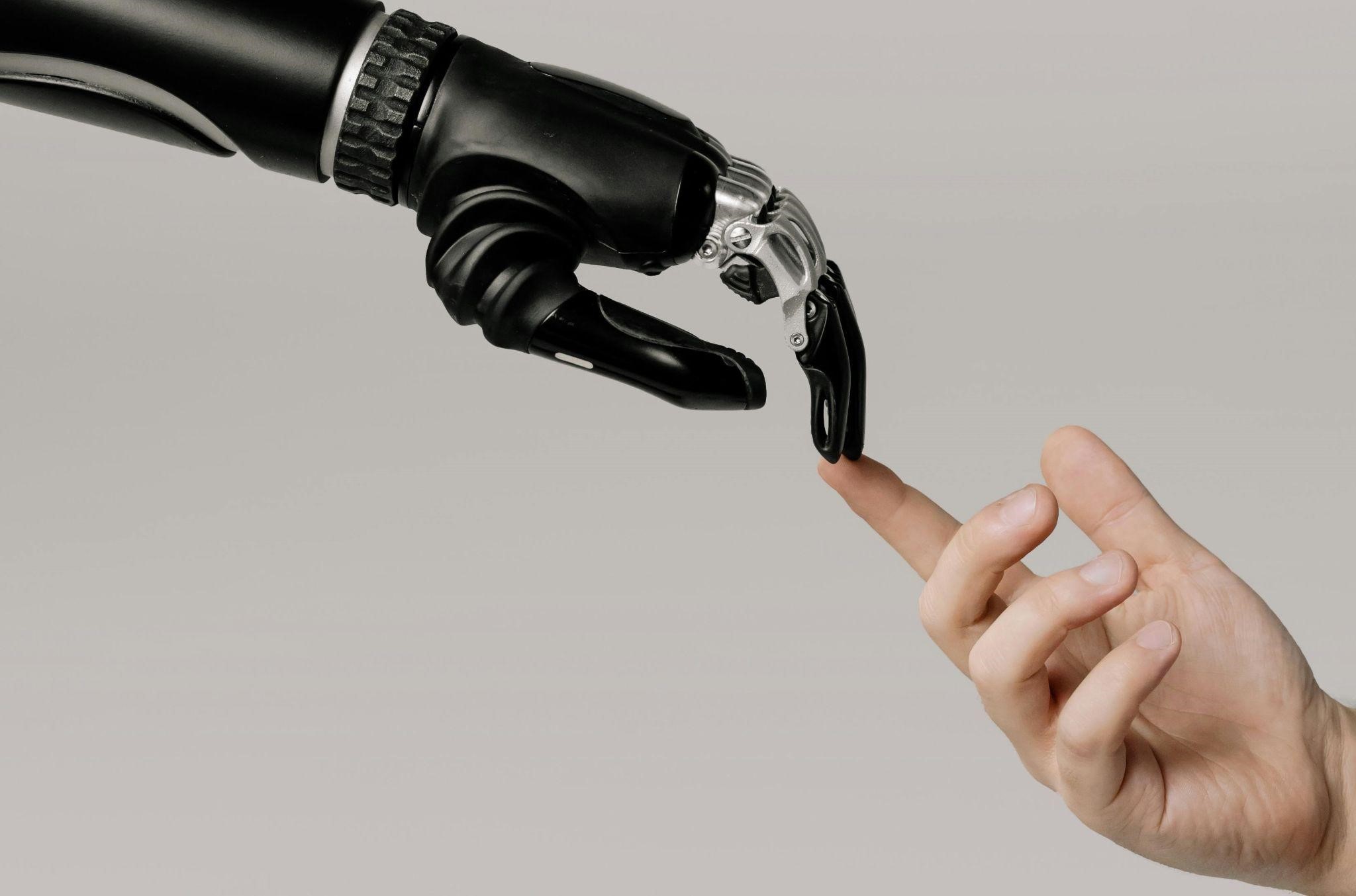
Image by Cottonbro Studio via Pexels
Organisations must stay ahead of the curve by embracing innovative tools and adopting new business models. This proactive approach ensures that companies keep pace with change and position themselves as leaders in a dynamic and increasingly digital business environment.
How is the Gig Economy Influencing Australian Companies?
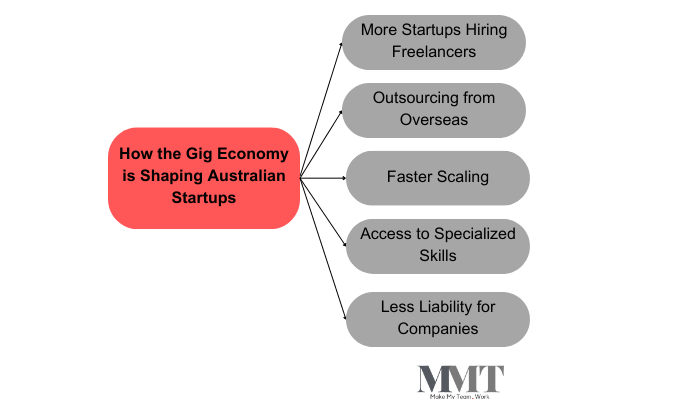
The gig economy has become an integral component of Australian businesses because it is driven by the increasing preference of workers to have autonomy while posing benefits to businesses. Startups benefit from this model by saving on overhead costs, which allows them to scale faster. The gig economy has also influenced Australian startups in the following ways:
- A Rise in Hiring Freelancers: Startups have increasingly turned to independent contractors on a project-to-project basis rather than employing full-time staff who require a fixed monthly salary.
- Increased Outsourcing: A startup in Australia can hire individuals from other parts of the world who meet its needs.
- Higher Flexibility: Companies can hire individuals on a project basis and scale their workforce up or down depending on their business needs.
- Access to diverse expertise: Startups can leverage their access to a global talent pool and hire experts with specialised skills that are not readily available locally.
- Decreased liability for companies: The responsibility for certain aspects of work, such as equipment, employee benefits, and training, has shifted away from the company to the worker.
Although working with gig workers offers significant benefits, startups should implement strategies that foster retention. Workers can often find more lucrative contracts and leave projects midway, and the instability that comes with frequent turnover can hinder progress.
Maintaining long-term relationships is particularly important for tech startups because the development of tech products requires continuous iterations, updates, and ongoing maintenance before they reach full maturity.
How Are Startups in Australia Addressing Workforce Diversity and Inclusion?
Australian companies are increasingly focused on creating a culture that accommodates different demographics. They are recognising varying needs and backgrounds by adopting more inclusive practices that promote equality and foster a sense of belonging, such as:
- Bias-free Recruitment: Integrating strategies that reduce unconscious bias in the hiring process, e.g., by anonymising resumes.
- Broadening Recruitment Channels: Using different platforms with a wide talent pool to select from.
- Training and Education: Training employees on how to be culturally sensitive through D&I training.
- Promoting Equal Pay and Opportunities: Compensating employees based on their skill level and work input despite their race or gender.
- Reasonable Accommodations: Providing tools and resources that allow employees with disabilities to perform their work effectively.
Inclusion also involves empowering the workforce by actively allowing employees to shape the workplace culture. They can share ideas on how to make the organisation more accommodating to people with different needs.
How Can Startups Foster Innovation in a Changing Work Environment?
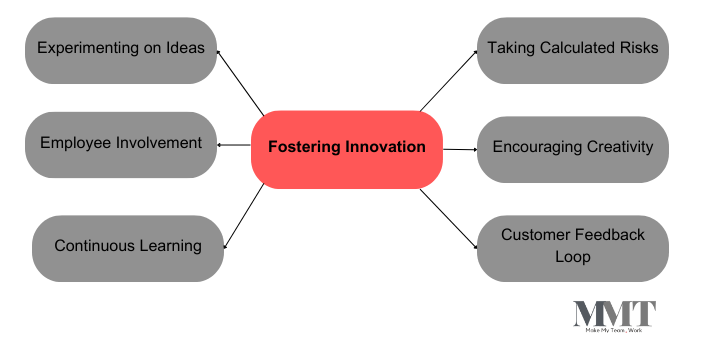
Innovation is centred around developing new solutions that enhance effectiveness and efficiency. It plays a crucial role in securing a strategic competitive advantage for startups. As an Australian startup, you can foster innovation in the following ways:
- Leverage Technology and Digital Tools: Embrace new technologies such as AI and collaboration tools to provide innovative business solutions.
- Encourage Risk-Taking: Take calculated risks and encourage experimentation on ideas that can steer your company forward.
- Encourage Employees: Welcome employees’ ideas to foster a culture of creativity and innovation.
- Welcome Diverse Perspectives: Encourage your team to share their ideas because different people have different viewpoints. Regardless of their position, one employee’s perspective can cause a major positive shift in your business.
- Embrace Continuous Learning: Innovation cannot exist without people constantly learning new things. You should encourage your employees to develop new skills either through training or by recommending programs to enhance their skills and help them gain new perspectives.
- Involve Customers: Many tech startups aim to build companies that provide customer solutions. Your approach should be customer-centric as a startup because customers offer the best feedback on what they expect from your product and how you can improve it.
As a startup, you will inevitably make mistakes while striving to be innovative. However, fostering a culture that views failure not as a setback but as a valuable learning opportunity is crucial. By embracing failure as a natural part of the innovation process, you can quickly adapt, learn from missteps, and refine your approach to drive your company forward.
What is the Impact of Globalisation on Australian Startups?
Globalisation has accelerated significantly over the past few decades and made Australia a trade-exposed economy. The country has enhanced its global presence and opened its markets to other economies. This has affected Australian enterprises in the following ways:
- Broader Customer Base: Startups can access international audiences and acquire a larger clientele with the right marketing strategy.
- Access to a Global Talent Pool: most startups tap into a wider talent pool and hire workers with specialised skills and (at times) for lower costs. MMT and other platforms, such as Upwork, help startups access professionals.
- Innovative Thinking: Hiring from a global talent pool means working with individuals from different parts of the world. They can bring in new perspectives and also offer business insights and perspectives in their local market. Your startups can leverage these insights to gain customers from foreign markets.
- Access to Funding: Australian Indec can access venture capital (VC) and funding from international investors by tapping into global investment networks.
- Building Strategic Partnerships: Australian companies can forge collaborations with foreign partners to expand their business through joint ventures, licensing deals, and strategic alliances.
Globalisation significantly benefits local startups and exposes Australia to increased international competition. Due to foreign companies entering the Australian market, startups face heightened pressure to differentiate themselves and remain competitive. To ensure your company gains and sustains a strategic advantage, it’s essential to focus on innovation to meet changing customer demands and outperform competitors.
Summary
Here are six major trends that are reshaping the way Australian magnates operate in today’s dynamic market:
- Startups are using AI tools to automate routine tasks, improve efficiency, and streamline operations.
- With increasing consumer demand for eco-conscious practices, Australian startups are integrating sustainability into their business models.
- Many startups have embraced remote and hybrid working models, which help them save on costs and give their employees (and workers) flexibility.
- Startups are prioritising mental health and well-being, recognising that a happy, healthy workforce leads to higher performance.
- Ethical principles are becoming increasingly important for Australian startups, with a focus on diversity, transparency, fair wages, and social responsibility.
Adapting to these trends has helped startups to be innovative and position themselves for sustainable growth in today’s highly competitive and globalised market.