

The important factors when hiring front-end developers include their ability to create intuitive UI that leads to high product usage, which gives users value and eventually generates revenue. These factors help you decide whom to hire front-end developers based on their ability to pay attention to detail because it directly impacts how an app or a web application is presented to users.
A good front-end developer crafts every element for aesthetic appeal and functionality, from layout and topography to color schemes and responsiveness. This ability to fine-tune visual elements is essential for creating an engaging user experience and ensuring the mobile/web app is visually consistent across different devices and browsers.
Key Technical Skills to Look for in a Front-End Developer:
A skilled developer can translate design concepts into clean, efficient, high-quality code. This requires a solid understanding of core front-end technologies. The skillset required for developing web applications differs from the skillset for mobile app development. Experience in HTML, CSS, and JavaScript is required to develop web applications. On the other hand, mobile app development requires a frontend developer knowledgeable in Native or Cross-Platform development. React Native, Flutter, and Xamarin are needed to develop mobile apps.
HTML/CSS: Fundamentals of web development
Hypertext Markup Language (HTML) is the standard language for creating and designing web pages. It is the core building block and foundational structure of any webpage. A front-end developer should have a fundamental knowledge of HTML to define the structure of the content, such as headings, paragraphs, images, links, etc. A developer without this understanding will struggle to organize and present the contents of your web application.
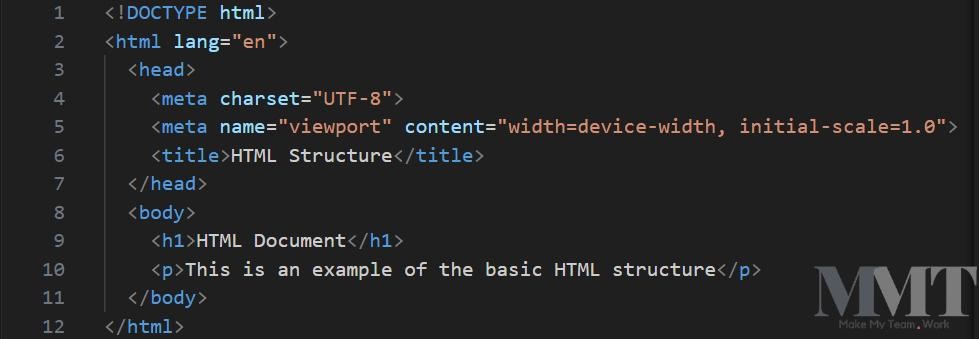
Cascading Style Sheets (CSS) is a language that describes the presentation of an HTML document. A front-end developer should possess knowledge and expertise in CSS because it influences the visual structure of your web application. They control the layout, colors, fonts, spacing, etc., to improve a website’s or application’s aesthetics.
JavaScript and its frameworks
While HTML and CSS are essential for structuring and styling webpages, JavaScript adds the functionality that makes them interactive, responsive, and engaging. Developers can implement features like form validation and interactive elements like sliders and dropdowns that allow users to perform specific actions on your application. The developer you hire should be able to use JavaScript in conjunction with the following frameworks:
- React: Used to build user interfaces (UIs) primarily on single-page applications. It uses a virtual DOM that allows the creation of reusable UI components that update with changes in state.
- Angular: Built on TypeScript and is full-featured for building scalable and complex web applications. It follows the Model-View-Controller architecture.
- Vue.js: Used to build single-page applications. It is preferred for its simplicity yet unique ability to build user interfaces of any complexity.
- Svelte: Directly manipulates the DOM by compiling components into highly efficient code for faster performance.
| Key Features | |
| React | Virtual DOM.Component-based architecture that allows building encapsulated, reusable components.Vast ecosystem, e.g., Redux for state management |
| Angular | Dependency injection.Synchronizes data between the model and the view automatically (two-way data binding).Includes many built-in tools, e.g., HTTP client services, form validation, etc. |
| Vue.js | Allows developers to write HTML, CSS & JavaScript within the same file.Automatically synchronizes data with the view.Can build sophisticated applications. |
| Svelte | State changes automatically trigger updates to the user interface.No framework overhead, leading to faster applications.No virtual DOM. |
A developer with expertise in JavaScript can leverage its full potential, especially when paired with relevant JS Frameworks, and build a seamless and high-performing web application. They can handle complex interactions and implement real-time features that allow an interactive and engaging user interface. Without JavaScript, these applications would remain static.
Frontend Technologies for Mobile App Development
When hiring a front-end developer to develop your mobile app, you first need to consider whether you want a native or cross-platform app. Native apps are developed for a specific operating system (OS), primarily iOS and Android. A developer should have experience in:
- Swift for iOS development: Swift has a clean and modern syntax that is used to create interactive and rich user interfaces with Xcode as its integrated development environment (IDE).
- Java and Kotlin for Android: In front-end development, these technologies are used to define the app’s behavior and logic and to interact with UI components, with Android Studio as the IDE.
A cross-platform app is designed to run on multiple OSs from a single codebase, i.e., the app runs on iOS and Android devices. You need a developer knowledgeable in the following technologies for cross-platform development:
- React Native: An open-source framework developed by Facebook to build cross-platform apps using JavaScript and React.
- Flutter: An open-source UI toolkit developed by Google to build mobile apps using Dart. It is used to develop high-performance UIs.
- Ionic: A framework for building cross-platform mobile apps using web technologies. It’s built on top of Angular (though it also supports React and Vue.js) and uses a single codebase to create apps for both iOS and Android. Mobile apps are built using HTML, CSS, and JavaScript.
- Xamarin: A framework currently maintained by Windows that provides a set of tools and libraries to create native-like experiences on both iOS and Android. It requires a developer with experience in the C# Programming Language.
- Apache Cordova: Formerly known as PhoneGap, it is a framework for building cross-platform apps using web technologies. It allows you to write your app using HTML, CSS, and JavaScript and then package it as a native app for iOS, Android, and other platforms.

Image by Lisa Fotios via Pexels
When hiring a developer for mobile app development, it’s important to ensure they have experience with the relevant technologies and frameworks. You should also consider whether you’re building for native platforms or using a cross-platform approach and ensure the developer is skilled in the specific tools and programming languages required.
Version control systems
A developer’s knowledge of Version Control Systems (VCS), e.g., Git, is essential because it influences how changes to the codebase are tracked, managed, and coordinated. VCS allow developers to:
- Track Changes: Who made the change, when it was made, and the type of modification. This helps them understand why a particular change was made and how to fix it if it has a bug.
- Collaborate: Developers can work on the same project simultaneously without overwriting each other’s code.
- Prevent Loss of Work: VCS logs every code change, preventing loss.
A good developer understands the importance of regularly committing code so that it is easier to review, test, and debug–which prevents instability. They also write clear and concise comments explaining why they made a particular decision during development. This makes it easier for developers who access your web application’s codebase later to understand specific decisions made by former developers.
Understanding of responsive design
Understanding responsive design is essential for any developer, especially in today’s multi-device world. Responsive design ensures web applications look good and function well despite a device’s screen size. It ensures:
- UI elements remain consistent across different devices, i.e., mobile phones, tablets, and desktops.
- Faster load times for applications.
- Content, e.g., forms, buttons, images, videos, etc, scale correctly across different devices.
A responsive design ensures that applications provide an optimal user experience across a wide range of devices using flexible layouts.
Experience with RESTful APIs and integration with back-end services
Modern web applications often rely on APIs to facilitate communication between the client side (front-end) and the server side (back-end). This makes it crucial for front-end developers to have experience with RESTful APIs since they interact over HTTP and allow the client and server side to communicate effectively over the web. By following these principles, your application can retrieve data from databases, authenticate users, and interact with third-party services, e.g., payment getaways.
Familiarity with testing tools
It is essential for developers to be familiar with testing tools like Jest and Mocha because they play a crucial role in ensuring the quality, reliability, and maintainability of code. Knowledge of these tools helps in the following:
- Verifying that each component, function, and feature works as intended.
- Catching bugs early in the development process rather than fixing them in production.
- Running automated tests on the entire codebase to ensure new changes do not break previously working features.
- Facilitating code refactoring.
Hiring a developer with experience in testing tools is crucial because they can automate the process of running unit tests, integration tests, and end-to-end tests. This helps catch bugs early and prevent regression as the application evolves.
A good developer should be capable of bridging design and development to deliver a product that is not only technically sound but also aligns with user expectations by allowing seamless navigation.
Soft Skills That Matter
Product development is rarely a solitary endeavor. While technical proficiency is crucial, developers’ soft skills capabilities are equally as important because they help them navigate real-world challenges and work well with others. Developers often interact with other individuals (product managers, product owners, designers, shareholders, etc), which requires proper interpersonal skills.
Communication skills: Clear articulation of ideas
Effective communication skills are essential for developers, as they enable them to articulate ideas to various stakeholders, including employers, clients, and team members. Strong communication allows them to:
- Share ideas and concerns with team members,
- Breakdown and explain technical concepts to non-technical stakeholders,
- Ask the right questions, and,
- Explain why a particular decision was made.
Working with developers who communicate clearly and openly decreases the likelihood of misunderstandings in the development project. The workflow is smoother, leading to an efficient development process.
Teamwork and collaboration
A developer with strong interpersonal skills can work effectively within a team, fostering an environment where ideas are shared freely. They facilitate collaboration through the following:
- Mentoring other team members and vice versa,
- Sharing knowledge within the team,
- Listening to other people’s concerns,
- Receiving feedback and accepting criticism, and,
- Offering constructive and clear feedback.
By integrating these concepts, your development team can build positive relationships and ensure everyone is aligned toward achieving the same goals and objectives.

Image by Mikhail Nilov via Pexels
Problem-solving and analytical thinking
Problem-solving and analytical thinking skills often differentiate good and great developers. When you’re hiring, you want to ensure that your developer is great because they can:
- Decompose complex problems into smaller, manageable pieces,
- Debug code and troubleshoot issues,
- Optimize performance, scalability, and efficiency.
Cognitive abilities allow developers to navigate complex challenges, find efficient solutions, and ensure that a product is fully functional and optimized.
Adaptability to new tools and technologies
Technologies in front-end development are fast-paced and constantly evolving. They require adaptable developers to quickly learn and integrate these technologies into their workflow. Developers should be willing to learn and embrace change to develop products with current and best available tools. Hiring a developer with a growth mindset is a strategic decision that ensures your product is innovative, competitive, and keeps up with current market standards.
When hiring developers, it’s crucial to consider their personal characteristics, as they are fundamental in shaping their soft skills. Great personal attributes (e.g., open communication, willingness to learn, and cognitive skills) complement a developer’s technical expertise and lead to a productive work environment.
Conclusion
The process of hiring a front-end developer is thoughtful and thorough. While technical expertise is an undeniably crucial consideration, it’s equally important to assess a developer’s soft skills because they influence their ability to adapt to your project’s evolving needs. A developer who is not only technically proficient but also a good fit culturally and professionally will be able to contribute to your product’s sustained growth and success.