

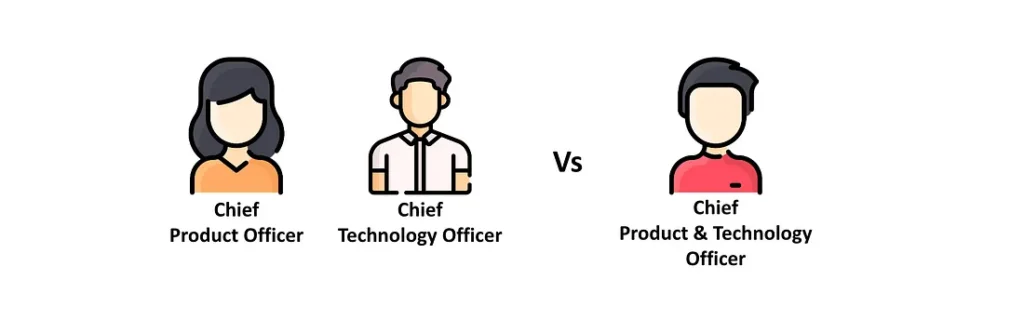
A Chief Product and Technology Officer (CPTO), whether a fractional work or a full-time role, is responsible for building and scaling three critical pillars of a technology organization. A technician focuses first on developing the core product, prioritising limited but high-impact features that directly address customer pain points and market needs. Beyond the product, they are equally responsible for scaling both the engineering team’s capabilities and the development processes that enable the team to deliver exceptional results.
This triad of responsibilities – product, people, and processes – works in concert to drive sustainable business growth while maintaining the agility needed for continuous innovation.
The decision to hire a fractional worker on a fractional or full-time basis largely depends on the company’s growth phase and the level of tech leadership needed. When you start building your product, the other choice is to hire a freelance full-stack coder. How you make this decision often depends on the product you are building and the team’s existing code capability.

Fractional vs Full-Time CPTO vs Freelance Coder: Key Differences
Hiring a fractional, full-time, or freelance developer can be challenging, especially when you do not understand the role’s skill set. Careful consideration is required based on the team’s existing core capabilities, the tech product’s complexity, and your budget. As your business grows, deciding whether to bring in a fractional CPTO, freelance coder, or hire one full-time is critical because each option offers distinct advantages depending on your needs.
Before diving into that, let us look at the fundamental differences between hiring a fractional expert, a freelancer, and a full-time tech:
- Scope of Work: This type of worker often focuses on the product-building journey for the first 0-to-5 years, while full-time experts handle all technology-related people, processes, and technical decisions. Freelance coders concentrate on writing code that makes the product functional.
- Availability: Fractional workers and freelancers typically have limited availability, working part-time or intermittently, whereas full-time CPTOs are fully engaged with the company.
- Commitment: Full-time technicians are committed to long-term goals and are deeply embedded in the company’s culture. Freelancers and fractional techs, on the other hand, offer flexibility and can work with multiple clients simultaneously.
- Involvement in the Business: Full-time fractional techs are critical in company leadership and decision-making, whereas freelancers and fractional CPTOs tend to be more task-focused.
- Long-Term Vision vs. Short-Term Solutions: A full-time tech is focused on creating and executing a long-term technology strategy that aligns with the company’s goals and growth. In contrast, a freelance expert often addresses immediate technical challenges or helps achieve short-term objectives. Freelancers focus on specific aspects of your development project, e.g., writing code to build a product.
- Cost Considerations: Hiring a full-time technician generally involves a higher upfront cost due to salary, benefits, and equity incentives. Fractional tech, on the other hand, can be more cost-effective for companies with limited budgets or specific, time-bound needs. Freelancers are the most cost-effective because they primarily work on a project in the short term.

As your business evolves, so do its needs. Flexibility and affordability are often top priorities in the early stages, which makes many startups opt for freelance technicians. However, as your company scales and the demands grow, stable, consistent leadership becomes crucial, making a full-time CPTO a more fitting choice.
When Should You Hire a Fractional Tech?
Hiring a fractional worker is often best suited for startups or businesses where you still don’t need a full-time leadership team. Let us explore the ideal scenarios where bringing in a freelancer makes perfect sense for your company:
- The business revenue scale is between $2 and $7 million: When your revenue scale is between $2 and $7 million, you don’t need a full-time technician, as it would be expensive and challenging to retain.
- Early-Stage Startups with Limited Budgets: Startups often lack the resources for a full-time hire but still need technical leadership.
- Access to Specific Technical Expertise: Fractional CPTOs can provide niche expertise for certain technologies that are not needed long-term.
- Temporary Leadership During Transitions: A fractional expert can step in to ensure there’s no disruption in the tech strategy or execution if your company is in between full-time hires or undergoing a leadership transition.
- Rapid Prototyping or MVP Development: When you need to quickly build and test a minimum viable product (MVP) to validate a business idea, a freelance developer can bring the necessary technical leadership without the long-term commitment.
Hiring a fractional tech is about finding the right fit for your company’s journey. With the right timing and understanding of your business needs, a freelance expert can bring in the technical leadership necessary to move projects forward without a long-term commitment.
Advantages of Hiring a Fractional Technician
Bringing a freelance technician on board can be a game-changer for your business, offering the right balance of expertise and flexibility. Whether you’re looking to scale, innovate, or solve specific challenges, this approach can be a powerful tool for growth and success.
- Flexibility in Contract Duration and Engagement Model: Fractional techs can be hired on an as-needed basis, reducing long-term commitment.
- Cost-Efficiency and Speed of Onboarding: They are often quicker to hire and onboard, providing cost savings on salary, benefits, and time.
- Specialised Skills for Specific Projects: They bring highly specialised skills tailored to your project’s unique requirements.
- Focused Expertise Without the Overhead: Fractional workers bring deep expertise without the added overhead of managing a full-time team, allowing you to focus on specific tech challenges without the complexity of long-term management.
Using a Fractional CPTO is a flexible solution that aligns with your company’s needs as they evolve. They are essential in navigating the growth of your business and tech needs with the right support at the right time.
When Should You Hire a Full-Time Developer?
Knowing when to hire a full-time expert is a crucial decision that can shape the future of your business. It’s not just about finding someone with the right skills—it’s also about recognising the right moment to make that commitment. Let us look at key indicators that it’s time to bring in a developer full-time to your company:
- Long-Term Product Roadmap: Multi-year technology strategy to support growth and innovation. If your company requires a detailed.
- Deep Technical Needs: Complex technical infrastructure, such as custom software, AI integration, or scaling cloud services, may demand continuous leadership.
- Significant Growth in Business Size: When a business expands rapidly, a full-time CPTO becomes necessary to oversee technology needs, security, and compliance.
- Team Leadership and Management: Strong leadership in managing tech talent becomes critical as your team grows. A full-time fractional worker can build and nurture a high-performing technical team, ensuring alignment with company goals.
- Investor Expectations: Having a full-time expert can instill confidence by demonstrating solid technical leadership and a clear vision for the company’s tech future if you’re bringing in investors or planning to raise capital.
The growth and evolution of your business often reveal when it’s time to hire a full-time worker. While the decision can be complex, recognising the key signs can help you decide whether to make the move. Timing is everything, and by staying tuned to these indicators, you’ll be prepared to make the choice that best supports your company’s future.
Advantages of Having a Full-Time Technician
When you’re building a growing company, the role of a full-time Expert can make all the difference. But what exactly does having someone dedicated to technology leadership bring to the table?
- Constant Oversight, Leadership, and Cultural Alignment: Full-time CPTOs provide daily oversight of technical teams and align the company’s technology with its culture and mission.
- Stability and Continuity: They ensure a consistent approach to managing tech projects, security, and innovation, minimising the risks of disruption or misalignment.
- Better Resource Allocation: With a full-time CPTO, resources—whether human, financial, or technological—are allocated more effectively. They can prioritise projects based on business impact, ensuring that the team focuses on what truly moves the needle.
- Strategic Decision-Making: A full-time technician brings deep technical expertise to the table, making informed decisions that align with both short-term needs and long-term business goals. Their strategic input can guide your company’s tech roadmap, ensuring growth is supported by the right innovations.
As your business evolves, the need for a leader fully committed to overseeing tech strategy and aligning it with your company’s goals becomes even more crucial. This type of worker provides the expertise, vision, and consistency necessary to drive your company forward.

How to Assess Your Company’s Needs
Choosing between a fractional work model and a full-time CPTO is a pivotal decision that hinges on your company’s current challenges, goals, and resources. Let us evaluate the checklist for deciding between a fractional and full-time tech:
- Current Stage of Your Product & Business: Are you in the early stages of developing your product with a limited people budget, technical infrastructure, or scaling rapidly with complex product and technical needs?
- Long-Term vs. Short-Term Strategy: Do you need a technician for a short-term project or long-term development and innovation?
- Budget: Do you have the financial resources for a full-time executive, or is a fractional/contract role more feasible?
- Specialised Skills vs. General Leadership: Do you need great, specialised skills for a specific initiative or a well-rounded leader for ongoing management?
- Cultural Alignment and Leadership: How important is it for the worker to align with your company culture and provide leadership within the tech team?
The decision to hire a fractional or full-time developer depends on your company’s current needs and future goals. It also depends on whether you need a steady, long-term tech lead or an expert to tackle specific aspects of your project.
Part-Time and Fractional CPTOs: A Middle Ground?
The terms part-time and fractional are often used interchangeably, but they can have subtle differences in terms of role, commitment, and focus:
- Fractional Technical Expert: This type of worker works with a company on a part-time basis but with deeper, long-term engagement, usually for growing businesses that don’t need a full-time leader.
- Part-Time Technician: A part-time expert provides ongoing leadership and involvement, but their hours are limited to a smaller weekly commitment.
After understanding the difference between hiring a fractional or part-time expert, you can decide which arrangement is more suitable for your business.
Benefits of Hiring a Fractional and Part-Time Developer
As your business scales, you will find that hiring a full-time tech isn’t always the most strategic move. Your needs might differ from those of a business that needs a full-time worker, making hiring fractional and part-time workers more suitable due to:
- Cost Savings: Fractional and part-time experts offer reduced costs compared to a full-time technician while providing strategic leadership.
- Flexibility: These roles provide flexibility in terms of engagement, allowing companies to access high-level leadership without a full-time commitment.
- Access to Expertise: Both fractional and part-time employees bring specialised skills and experience that may not be available internally. Companies can tap their expertise without having to hire a full-time, highly paid executive.
- Scalability: Fractional and part-time technicians allow companies to scale their tech leadership based on current needs. As projects grow or evolve, these professionals can adjust their involvement, offering more or less time and resources depending on the stage of the company’s development.
- Reduced Risk: Hiring a fractional or part-time expert reduces the financial commitment and risk associated with a full-time hire.
Opting for a fractional or part-time technician is a practical solution for companies that either aren’t ready for a full-time hire or don’t require a dedicated tech leader on a full-time basis. The approach allows businesses to access the expertise of this type of worker without accruing the costs of a full-time role.
Cost Comparison: Freelance vs Full-Time Techs
The average salaries of this type of worker in Australia range from $170,000 to $320,000 annually and $417,000+ in the U.S. (figures in AUD). These numbers reveal a crucial truth: hiring a tech, whether freelance or full-time, is a significant investment that requires careful consideration. Here is a more comprehensive breakdown of the annual costs of hiring them by region:
| Region | Freelance Tech (AUD) | Full-Time Expert (AUD) |
| Europe | $231,000-$460,000 | $551,000 Average |
| North America | $300,000-$600,000 | $447,000 (Average) |
| Asia-Pacific | $154,000-380,000 | $241,000 (Average) |
| Africa | $77,000-$231,000 | $85,000 (Average) |
| Middle East | $185,000-$425,000 | $306,000 (Average) |
| Latin America | $123,000-$300,000 | $150,000 (Average) |
Sources: Techuz, ITJobsWatch, Builtin & Salary Experts
While the regional figures can give you a rough idea, they aren’t definitive. The cost will depend on what you’re willing to invest and what the worker is willing to accept for taking on your project or company. In some cases, working with a freelance tech can even cost more than hiring a full-time one, especially if they bring specialised expertise or charge a premium for their services.
Skills to Look for in a Technician (Both Fractional and Full-Time)
Hiring an expert —whether fractional or full-time—can be a make-or-break decision for your business. The right person will lead your tech strategy, drive innovation, scale your systems, and align technology with your overall goals. Let us explore the key qualities you should seek in a technical expert to ensure you’re bringing in the right leader:
- Strategic Vision and Business Acumen: A great CPTO should be able to align technology decisions with business goals. They need to think beyond just technical aspects and understand how tech can drive revenue, enhance customer experience, and support business growth.
- Technical Expertise Across Multiple Disciplines: While no one person can know everything, a CPTO should have a broad range of technical knowledge. This includes proficiency in product development, cloud architecture, cybersecurity, and emerging technologies that could impact your business.
- Leadership and Team Building: Leading and inspiring a team is crucial. Look for a tech who can build, manage, and foster a positive culture while holding the team accountable for high-quality execution.
- Communication Skills: A good worker should be able to break down complex technical concepts and communicate them clearly to non-technical stakeholders. This is especially important when working with other departments or investors who need to understand the tech landscape without a deep technical background.
- Scalability and Systems Architecture: This type of worker should have the foresight to build systems and architectures that can scale with the business. This includes designing tech solutions that grow smoothly with user demand and ensuring your infrastructure can handle future expansions.
- Adaptability and Learning Mindset: Technology changes rapidly. The best techs are always learning, staying ahead of industry trends, and adapting to new tools, languages, or methodologies. They should be open to change and ready to pivot strategies when necessary.

Finding the right worker is about more than product & technical expertise. A technician with the right blend of strategic vision, leadership, and tech knowledge will lay a strong foundation for your business’s success.
Making the Final Decision: Fractional vs Full-Time CPTO
Key Takeaways:
- There’s no one-size-fits-all solution—each business must assess its needs based on stage, growth, and budget.
- Freelancers offer flexibility and project-specific expertise, while full-time technicians provide long-term strategy and leadership.
- A full-time expert is the right fit if you need high-level strategic direction and are prepared to scale.
- The decision comes down to your company’s vision: Do you need someone to drive long-term innovation, or do you require focused expertise to navigate specific technological hurdles?










[…] the entire C-suite. Companies today bring in fractional CMOs to lead marketing transformations, CTOs to oversee digital architecture, CHROs to build agile people strategies, and growth leads to drive […]