


Offshore development service providers offer companies a valuable opportunity to access expert talent while reducing operational costs. Offshore service providers consist of a large and diverse pool of skilled developers capable of delivering a wide range of services, including mobile app development, customized solutions, cloud solutions, etc.
Companies in the tech sector have turned to offshoring or nearshoring over the past few years as a strategic move to minimize business expenses and access specialized skills that are not readily available locally.
Understanding Offshore Development Products
Offshore development services are vital for businesses to enhance their product development capabilities while keeping costs low. Before looking at the core and specialized development services you can leverage from offshore teams, let’s first examine what offshore development entails and the benefits it offers businesses.
What is Offshore Development?
Offshore development involves outsourcing product development services wholly or partially to a third-party company or team in a different country. For example, a company in the United States or UK might seek the services of a firm in the Philippines or India. By outsourcing, businesses can leverage global talent and specialized skills while benefiting from reduced development costs.
Other subsets of outsourcing are nearshoring and onshoring. Nearshoring occurs when companies seek services from a different country within the same region (and often, the same timezone), while onshoring involves contracting vendors within domestic borders but in a different area than the company.
Why Do Start-ups & Businesses Opt for Offshore Development?
Many companies have adopted offshoring as a strategic approach to streamline development processes while optimizing cost. Out of the three subsets of outsourcing, offshoring is the most common
- It cuts the costs of product development. Businesses have reported cutting operational and labor costs by 40-80% through offshoring.
- They can assign specific aspects of development, such as UX/UI design, frontend development, and backend development, to offshoring partners while the company focuses on its core business activities.
- Offshoring partners have specialized skills and expertise in technologies, methodologies, and frameworks that in-house development teams need to gain.
- It allows fast project turnarounds because the time zone differences allow different teams/individuals to deliver around the clock.
More start-ups and small businesses are offshoring their development services yearly because it streamlines their processes by providing access to cutting-edge solutions that improve efficiency.
The tech industry is dynamic and ever-evolving, and companies must continuously adapt to changing demands. Offshoring is a strategic approach that allows companies to meet these demands and drive growth while optimizing their resources.
Core Services Offered by Offshore Development Providers
Companies can leverage the expertise of Offshore development services –whether individuals, teams, or firms–for fundamental development services. These activities include frontend and backend development, testing, cloud computing solutions, etc.
Some companies often need products with unique features and functionalities unavailable in off-the-shelf packages with generalized components. The types of custom software that can be developed offshore include:
- Custom E-commerce platforms are significantly modified with specialized functionalities not included in standardized platforms like Shopify, with pre-built features.
- Enterprise Solutions that integrate business solutions tailored to a specific company’s needs, for example, finance, employee management, and workflow automation to streamline operations.
- Custom Mobile Applications that provide specific solutions to target consumers or execute tailored business solutions (internally) for companies.
Offshore developers create custom solutions tailored to a client’s specific needs. You can utilize these services to build a product that addresses challenges unique to your company or a specific problem you aim to solve for your target consumers.
Mobile App Development
Companies can delegate mobile app development tasks to offshore teams and focus on their strategic objectives. Offshoring partners offer expert solutions on:
- Cross-Platform Development–You can leverage offshore teams with expertise in building mobile applications compatible with multiple operating systems, ie, iOS, Android and Windows. These developers are usually experts in Java, Xamarin, Ruby, Python etc. Flutter has also become a popular cross-platform framework in recent years.
- Native App Development–You can also hire teams with proficiency in apps developed for a specific operating system. These developers are usually experts in Objective-C/Swift (for iOS apps) and Kotlin/Java (for Android apps).
You can leverage offshore partners to guide and inform you on the benefits and shortcomings of each type of mobile app development and help you make an informed decision on which route to take.
Web Development Services
Companies can leverage offshore development partners’ frontend and backend skills to build quality web applications. Web development services offered by these partners include:
- Content Management System (CMS) Development–Building websites and creating digital content from pre-built platforms like WordPress.
- Custom Web Development–Building a website from scratch with complete control over the design, functionality, and user experience. These solutions are tailored to meet a client’s specific needs and require more technical knowledge from developers since they need to write code from scratch.
- E-Commerce Solutions–Creating e-commerce websites on existing platforms like WooCommerce and Shopify.
- Search Engine Optimization–Developers can optimize websites to improve visibility and ranking in search engines.
- Maintenance and Support–Monitor the website after publication, update it to enhance user experience, and conduct security audits.
A significant advantage of offshoring web development services is access to full-stack developers who can efficiently manage frontend and backend tasks at competitive rates. This is especially effective for startups with limited funding because they can hire one or two full-stack developers who can provide comprehensive solutions to address all their web development needs.
IT Support and Maintenance
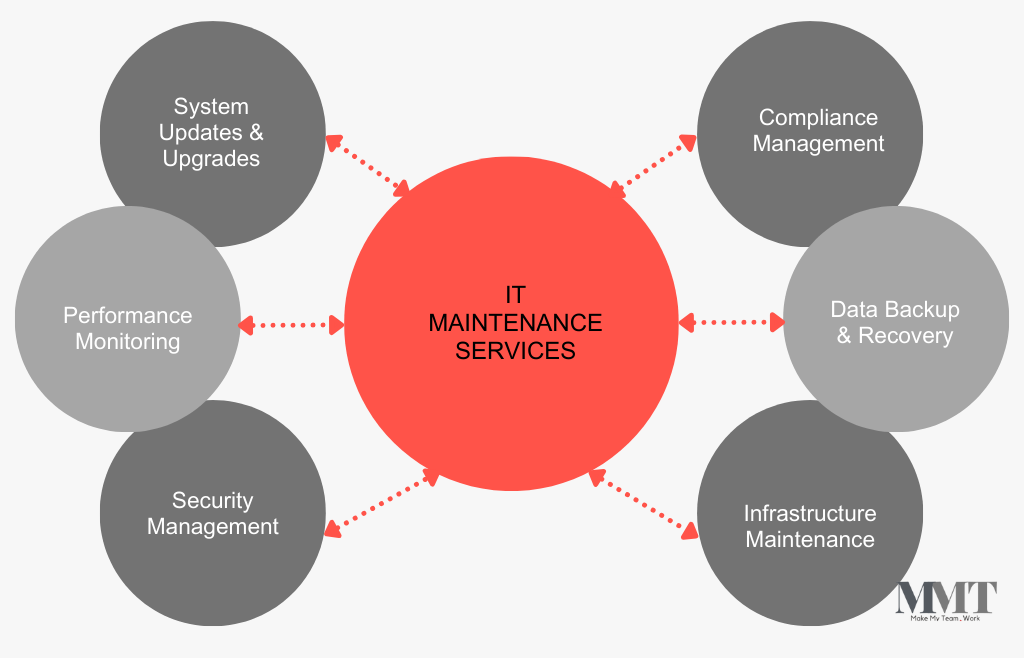
Companies can leverage offshore developers not just for initial product development but also for ongoing IT support and maintenance because technology evolves continuously. IT services you can outsource include:
- System Monitoring–Tracking the performance of systems, identifying issues and fixing them before
- System Updates–Updating software by adding new features or upgrading existing ones, improving performance, and enhancing security.
- User Training–It can either be end-user training or internal user training. End-user training guides customers through online tutorials and instructional videos on how to use your product. Internal user training involves guiding employees to manage, configure, troubleshoot, and administer a system.
Developers play an integral role even after deploying a product by ensuring the systems remain operational, secure, and up-to-date with current standards.
Cloud Services
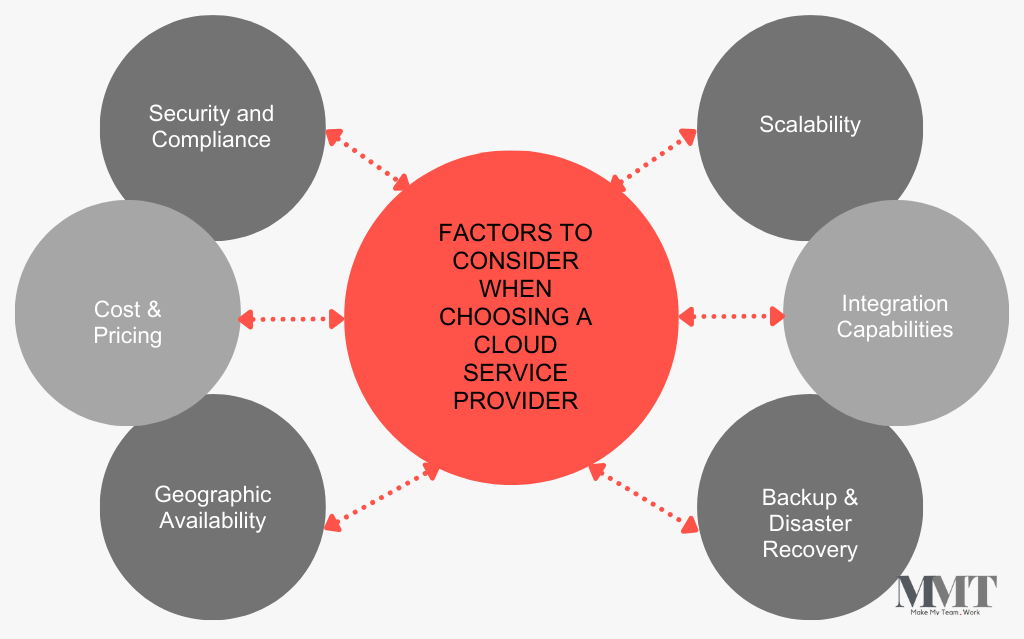
Offshore developers are knowledgeable in the cloud solutions that are most suitable for your product. Cloud computing services, such as storage, servers, databases, etc., ensure a product’s continuous functionality. Amazon Web Services (AWS), Google Cloud, and Azure are the most popular cloud service providers. Developers can guide you on which services are most suitable with security, scalability, integration, cost, etc, in mind.
QA and Testing Services
Quality Assurance (QA) and testing are fundamental in product development to identify defects, ensure functionality across multiple platforms and devices, and meet user needs. Offshore development partners have QA specialists to:
- Debug your tech product to enhance its performance,
- Collect data from end-users and refine the product to meet their needs and expectations, and,
- Identify and fix vulnerabilities and security flaws in the product.
QA and Testing facilitate a commitment to high quality and ensure your product meets functional (e.g., user interactions) and non-functional (e.g., performance) requirements.
Data Migration and Integration
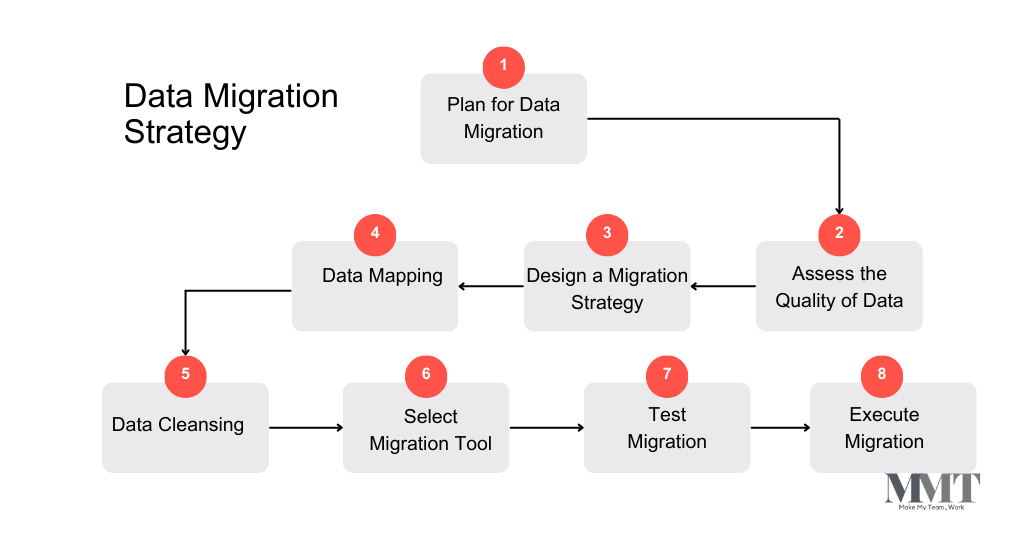
At times, you need to transfer your data in response to changes in technology and business needs. These changes often lead to storage, database, and cloud migration. Offshore teams manage data migration and complex systems integrations by:
- Assessing the quality of data,
- Designing the migration strategy,
- Data mapping,
- Selecting migrating tools and
- Executing data migration.
Regulatory compliance during data migration to avoid penalties and legal liability while maintaining the trust of your consumers by following privacy laws.
While offshoring partners offer a wide range of core services at fair rates, there is a valid concern about quality. To ensure you get a high-quality product and services, discuss the specifications, tech stack, and delivery models with your partner before development to establish a clear vision and end goal for your development project.
Specialized Services in Offshore Development
Offshore development firms can offer services in niche areas that require unique skills and expertise to handle advanced cutting-edge technologies. The following are five innovative services businesses can acquire from offshore development:
- AI and Machine Learning Solutions: You can hire developers who train machine learning models to create innovative AI solutions tailored to meet your needs. They leverage their expertise to analyze data, refine algorithms, and deliver impactful results for your business operations.
- Internet of Things (IoT) Development: Offshoring allows you to access engineers who specialize in designing and implementing IoT solutions by leveraging advanced infrastructure and sophisticated technological tools. Your team can transform data into actionable insights for IoT solutions that facilitate the connection and exchange of information between devices, eg, wearable technology and smart home devices.
- Blockchain Development: You can leverage the expertise of developers skilled in designing, building, and maintaining blockchain applications that record and track transactions. They also implement security measures to ensure the information remains tamper-proof and free of unauthorized access and fraudulent activities.
- AR/VR Development: Offshoring allows you to access developers who create immersive environments by leveraging Augmented Reality(AR) and Virtual Reality(VR) technologies. They design and implement solutions that give users engaging experiences by blending digital elements with the real world or simulate virtual environments.
- Big Data and Analytics: By offshoring, you can utilize the skills of firms that develop technologies to collect, store and analyze vast amounts of data to uncover patterns and extract valuable insights for predictive modeling and decision-making, eg, market trends.
Offshore markets present significant opportunities for specialized services due to their ability to develop and implement innovative ideas and technologies.
Cost and Pricing Models in Offshore Development
The cost and pricing models are important considerations because they significantly affect the overall development budget. The costs vary depending on your offshore team’s expertise, your project’s size, and regional economic factors.
How Are Offshore Development Costs Typically Structured?
Offshore development costs are structured by considering various aspects of your project. Costs depend on the:
- Pricing model used to pay your development team,
- Time taken to develop your product,
- Materials, tools, and technologies required to develop your product, and,
- Complexity of your product.
It is essential to carefully consider and analyze each component because they guide you in managing expenses and making informed decisions about allocating your financial resources effectively.
What Pricing Models Are Common in Offshore Development?
Offshore pricing models are designed based on the type of project you undertake with your team, the payment structure, and your specific requirements. The following are common pricing models in offshore development:
- Fixed Price Model: Clients pay a specified amount that is agreed upon before the commencement of the project. The price is determined after defining the project scope, examining its complexity, and determining how long it will take to complete. It is suitable for short-term projects.
- Time and Materials Model: Involves paying developers on the actual time they spent and the materials used to build a product.
- Milestone-Based Model: Developers are paid after completing pre-determined milestones in the project.
- Pay-Per-Hour Model Clients pay a monthly fee to the development team. It is suitable for long-term projects.
When you decide to hire an offshoring team, it is essential to examine your project scope, evaluate the resources you have available, and use them to make an informed decision on the ideal pricing model.
How to Ensure Transparency in Offshore Billing and Costs?
Transparency in billing and costs is fundamental to the success of your project because it helps build trust with your development team. To foster a good, transparent relationship with your offshoring partner:
- Set clear expectations for your project,
- Use contracts that clearly state the responsibilities of each party,
- Specify the payment terms (hourly, monthly, etc), and
- Foster an environment that allows open communication in case billing issues come up.
Many offshoring partners face significant issues with timely payment. It is essential to clear invoices on time, and in case you experience delays, communicate effectively with your team to maintain trust.
When budgeting for costs, it is essential to consider hidden fees in which your product is deployed and whether developers included them in the overall project pricing. These hidden costs like production environment–the infrastructure (e.g., cloud server, on-premise servers, and distributed network), configuration and setup, and scalability needs, influence the development costs.
FAQs on Offshore Development Services
What Industries Commonly Utilize Offshore Development Companies?
The IT, finance, healthcare, e-commerce, travel, and hospitality industries commonly seek services from offshore development partners. These industries have benefitted from offshoring through cost savings, fast turnaround, project delivery, and access to specialized solutions.
How Do Offshore Development Providers Ensure Data Security?
Data security is important in protecting sensitive information and ensuring compliance with regulations. Offshore development providers ensure data security through data encryption to prevent unauthorized access, access controls to prevent data manipulation, regularly backing up data, and integrating robust recovery protocols.
Can Offshore Teams Work with Agile Methodologies?
Agile methodology is recommended for offshore development teams because it allows them to break down projects into small, manageable phases known as sprints. The technique emphasizes fast delivery and continuous improvement of tech products until they attain optimal value.
What Are the Key Performance Indicators (KPIs) for Offshore Development Success?
KPIs are essential in measuring the success of strategic objectives. Timely delivery, release frequency, lead time, cost efficiency, and product quality–measured by user engagement, satisfaction, and retention– are KPIs that determine the success of offshore development.